
Nurturing life beneath our feet
Throughout this site there are links to documents of various file types. Please contact our Statewide Program Leader if you require this information in a different format.
Building resilient landscapes through improved soil health
Engaging university-trained volunteers to empower and sustain diverse communities with relevant, unbiased, research-based horticulture and environmental stewardship education. Read about Extension Master Gardeners in the news around Washington state.

Public Value
The WSU Extension Master Gardener Program directly impacts communities by providing science-based education that improves soil health, strengthens ecosystems, and promotes sustainable gardening practices. Through hands-on workshops, field demonstrations, and personalized guidance, Master Gardeners empower individuals to adopt techniques that prevent erosion, enhance soil fertility, and sustain long-term productivity. Their outreach has led to measurable improvements—such as increased knowledge of soil conservation, better land stewardship, and stronger local food systems. By actively engaging with residents, Master Gardeners ensure that communities have the tools and knowledge to create healthier landscapes, resilient ecosystems, and sustainable gardens for future generations.
Issue
Soil, a living and dynamic resource, provides critical services essential for life, including food production, shelter, and water filtration. It supports plant growth, serves as a habitat for countless organisms, and even supplies antibiotics. Humans depend on soil for waste management, water purification, and as a foundation for infrastructure. As the foundation of agroecosystems, soil plays a vital role in producing feed, fiber, food, and fuel. However, soil health faces significant threats from deforestation, compaction, erosion, and other challenges. In Washington, key issues identified by Washington State University include nutrient imbalances, acidification, pests, pathogens, salinity, and sodicity, all of which jeopardize soil sustainability.
Consequences
Neglecting soil health has far-reaching consequences. Poor soil conditions result in reduced agricultural productivity, diminishing crop yields and threatening food security. Degraded soils fail to support diverse ecosystems, leading to the loss of biodiversity and ecological imbalance. Without healthy soil structure, erosion becomes a major issue, stripping away fertile topsoil and polluting waterways, which harms aquatic life and degrades water quality. Additionally, soil degradation accelerates climate change by releasing stored carbon into the atmosphere, increasing greenhouse gas emissions. These issues also create significant economic burdens, as farmers and communities face higher costs to restore soil and maintain productivity. Addressing soil health is crucial to securing a sustainable and resilient future for both the environment and humanity.
Outreach
Extension Master Gardener Program volunteers are dedicated to educating communities on soil health through a variety of impactful methods. Here are some of their key efforts:
- Conducting 1,575 classes, workshops, demonstrations, and field days to share knowledge on soil health.
- Addressing 6,114 soil health-related questions in plant clinics.
- Providing valuable resources like podcasts, newsletters, and tip sheets for ongoing learning.
- Demonstrating healthy soil practices, such as composting, in demonstration gardens.
- Building partnerships with organizations like SNAP-Ed, 4-H, Veterans Affairs, immigrant and low-income communities, and correctional facilities to expand access and support.
These initiatives empower individuals and communities to foster sustainable, healthy soil practices.
Reported impacts
- 33% gained awareness of basic soil properties—physical, chemical, and biological—and their impact on the home landscape.
- 30% developed an understanding of why fertilizer application should be based on soil test results.
- 28% learned why no-till techniques are a best practice for home gardening.
- 31% recognized how home composting helps reduce methane emissions from landfills.
- 35% improved knowledge of appropriate organic mulching techniques.
- 32% strengthened understanding of proper composting methods for yard and kitchen waste.
Doing our part
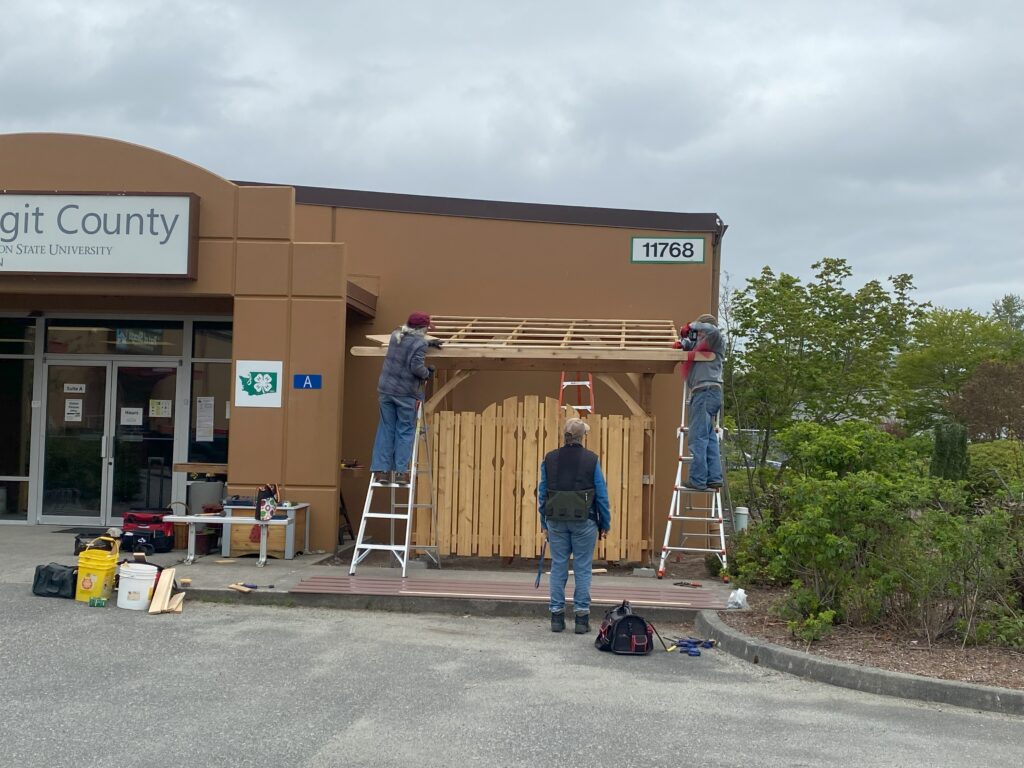
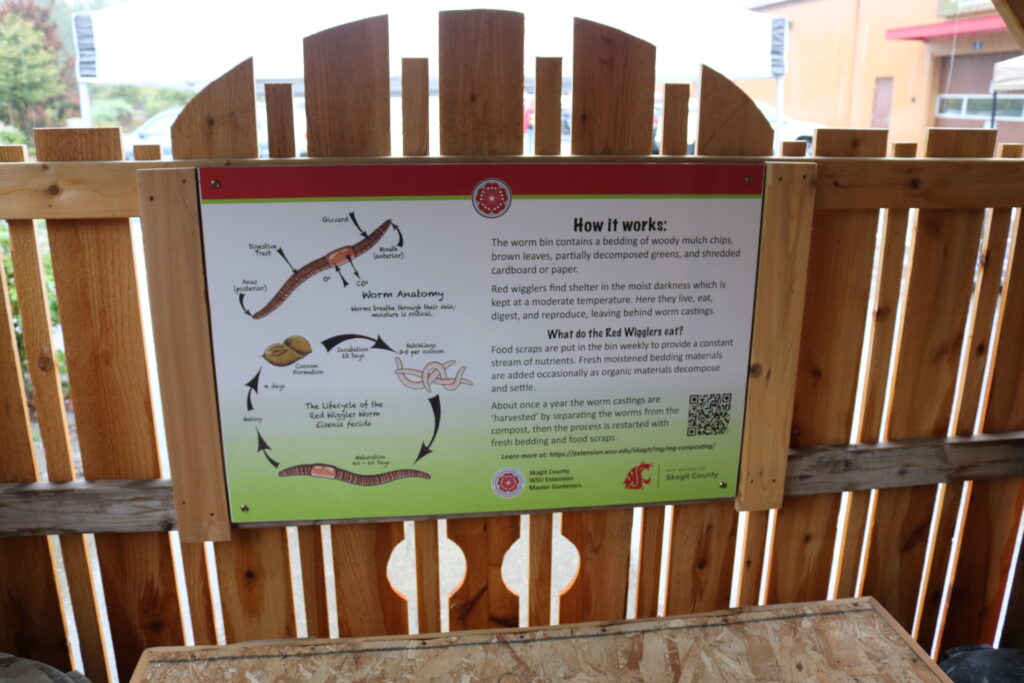
The WSU Extension Skagit County Master Gardeners designed and built a freestanding worm composting bin, named the “Worm Chalet,” to facilitate hands-on demonstrations, expert-led discussions, and interactive activities. Attendees at demonstrations gained a deeper understanding of food waste prevention and sustainable composting practices.
Key takeaways included:
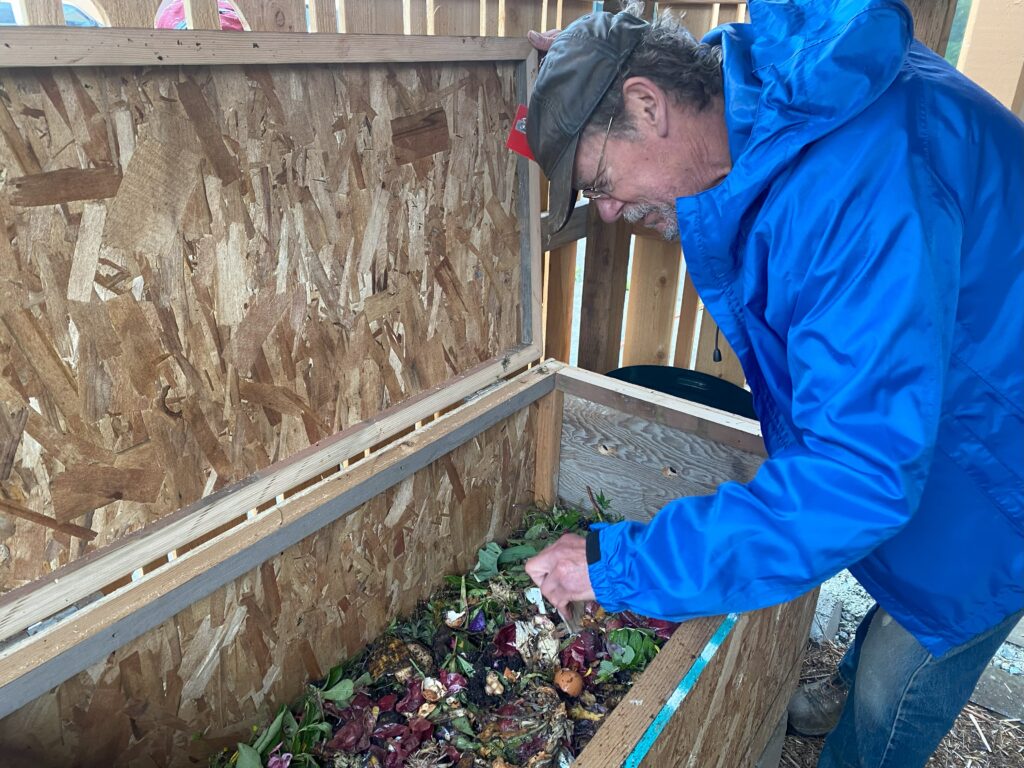
- The Role of Vermicomposting: Attendees learned how worms break down food scraps into nutrient-rich compost, providing a sustainable way to reduce landfill waste and improve soil health.
- On-Site Waste Reduction: The Worm Chalet demonstration showed how individuals and organizations can take simple steps to compost food waste at home, at work, or in community spaces.
- Climate and Soil Health Benefits: Participants were introduced to the environmental impact of food waste, including its contribution to methane emissions in landfills, and how composting can help mitigate climate change.
- Practical Composting Tips: Master Gardeners provided guidance on how to start and maintain a worm bin, what materials to include, and troubleshooting common composting issues.
- Leading by Example: By showcasing an active vermicomposting system at the WSU Extension office, Master Gardeners demonstrate a practical, scalable solution to food waste, inspiring attendees to adopt similar practices in their homes and communities.
Additionally, the Extension Skagit County Master Gardener Program maintains the Ask a Master Gardener Blog, which provides accessible, year-round advice on a variety of gardening topics. In April 2024, the blog featured a post titled “What’s in Your Bag of Potting Soil?” that extended the conversation beyond event activities, encouraging home gardeners to make thoughtful soil choices and adopt composting practices as part of a sustainable gardening approach.