Throughout this site there are links to documents of various file types. Please contact our Statewide Program Leader if you require this information in a different format.
Defensible landscapes for wildfire safety
Engaging university-trained volunteers to empower and sustain diverse communities with relevant, unbiased, research-based horticulture and environmental stewardship education. Read about Extension Master Gardeners in the news around Washington state.

Public Value
The WSU Extension Master Gardener Program improves wildfire resilience by equipping communities with science-based education on defensible space creation and vegetation management. Volunteers empower individuals to implement fire-resistant landscaping practices that protect homes, reduce wildfire risks, and safeguard local ecosystems.
These efforts drive behavior change, with residents adopting strategies that minimize fuel loads, enhance emergency preparedness, and mitigate environmental and economic risks. By fostering a culture of proactive wildfire prevention, the Extension Master Gardener Program creates safer, more sustainable communities, ensuring long-term resilience against increasing wildfire threats.
Issue
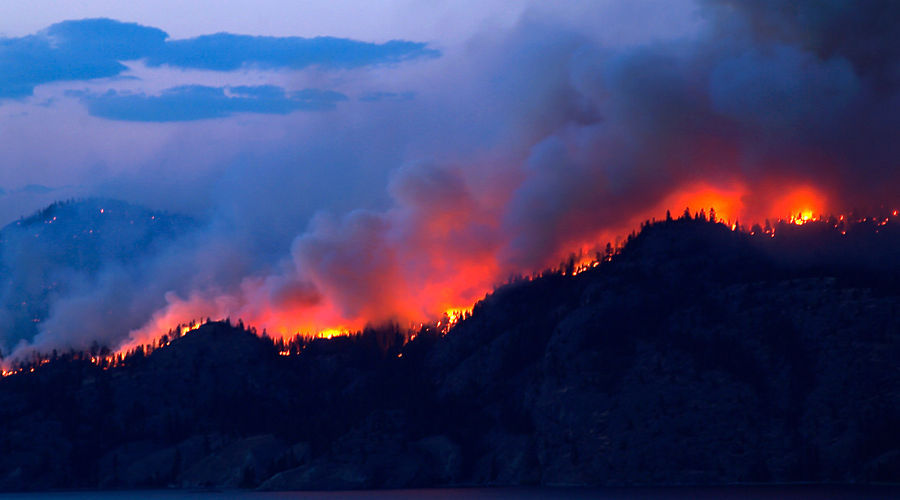
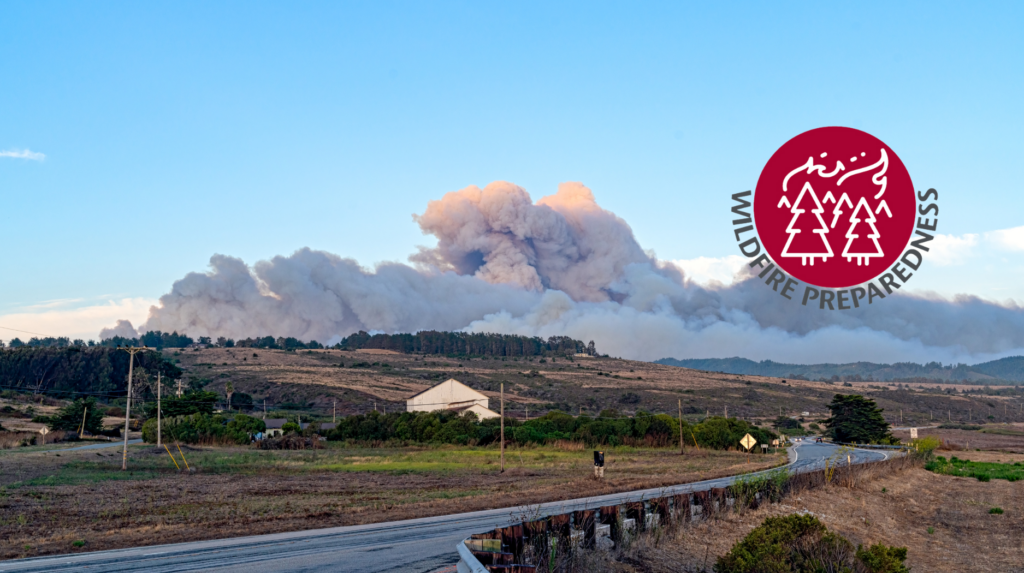
Wildland fires pose a severe threat to homes and properties in the wildland-urban interface, where residences are situated near or within fire-prone areas. Studies reveal that up to 80% of homes lost to wildland fires could have been saved with proper vegetation clearance and the establishment of defensible space. Strategic planning and fire-resistant landscaping are essential for minimizing the risks of fire damage.
Consequences
Without defensible space and effective vegetation management, wildfires spread more rapidly, increasing the risk of structural damage, property loss, and threats to lives. This also results in heightened environmental destruction, greater economic costs, and reduced safety for communities. Poor landscaping practices in fire-prone areas can exacerbate and intensify wildfire spread, complicating efforts for firefighters to contain and manage the flames. Prioritizing fire-resistant landscaping and preparation is vital to reducing these risks.
Outreach
WSU Extension Master Gardener Program volunteers play a vital role in educating communities about wildfire risks and fire-resistant landscaping. They provide guidance on creating defensible space, understanding fire defense zones, identifying fire ignition sources, and choosing plants that help safeguard homes against wildfires.
Here’s a snapshot of their efforts:
- Addressed 672 fire-resistant landscaping inquiries during plant clinics, helping individuals establish defensible space around their homes.
- Delivered 41 classes focused on best practices for wildfire preparedness through effective landscaping techniques.
- Conducted 1 demonstration to visually illustrate how to create defensible spaces in landscapes.
- Hosted 6 workshop offering hands-on experience for participants to apply fire-resistant landscaping principles.
- Organized 334 field days, giving participants an opportunity to observe and learn fire-resistant landscaping practices in action.
These efforts empower communities to better protect their homes and properties in fire-prone areas.
Reported Impacts
- 30% improved understanding of wildland fires in Washington state, including their role in native ecosystems, the heightened risks in the Wildland-Urban Interface (WUI), and the broader community costs and IMPACTS of wildfire.
- 27% Greater awareness of individual RESPONSIBILITY in fire risk reduction and prevention within home and community landscapes.
- 41% increased ability to IDENTIFY ‘defensible space’ and distinguish between different zones of fire defense.
- 35% learned how to CREATE a fire-defensible landscape, including assessing ignition risks of materials and understanding zones of risk and defense.
- 75% COMMITTED to develop a landscape plan, incorporating fire risk.
Doing our part
WSU Extension Kittitas County Master Gardener Program volunteers designed and established a fire-resistant demonstration garden featuring native plants, which serves as an outdoor classroom for educating the community on fire-resistant landscaping principles.
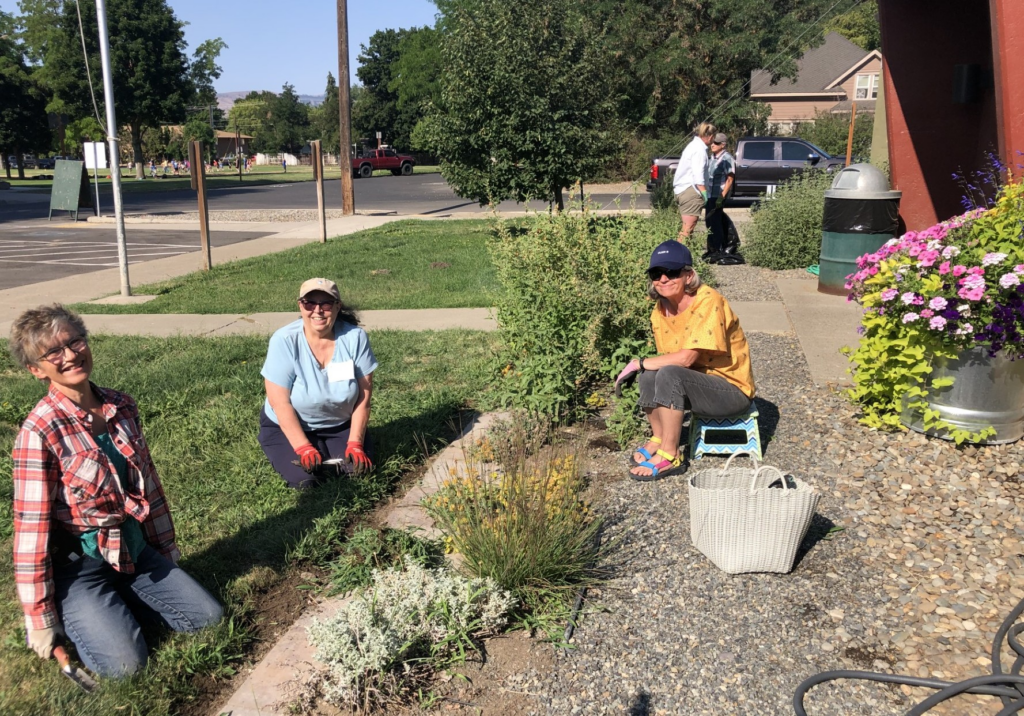
In 2024, the Chelan/Douglas County Master Gardeners‘ Fire-Resistant Vegetation Program actively promoted the importance of fire-resistant landscaping and the establishment of fire defense zones to mitigate wildfire risks. Their work is centered on integrating strategic vegetation management into wildfire prevention efforts across the region.
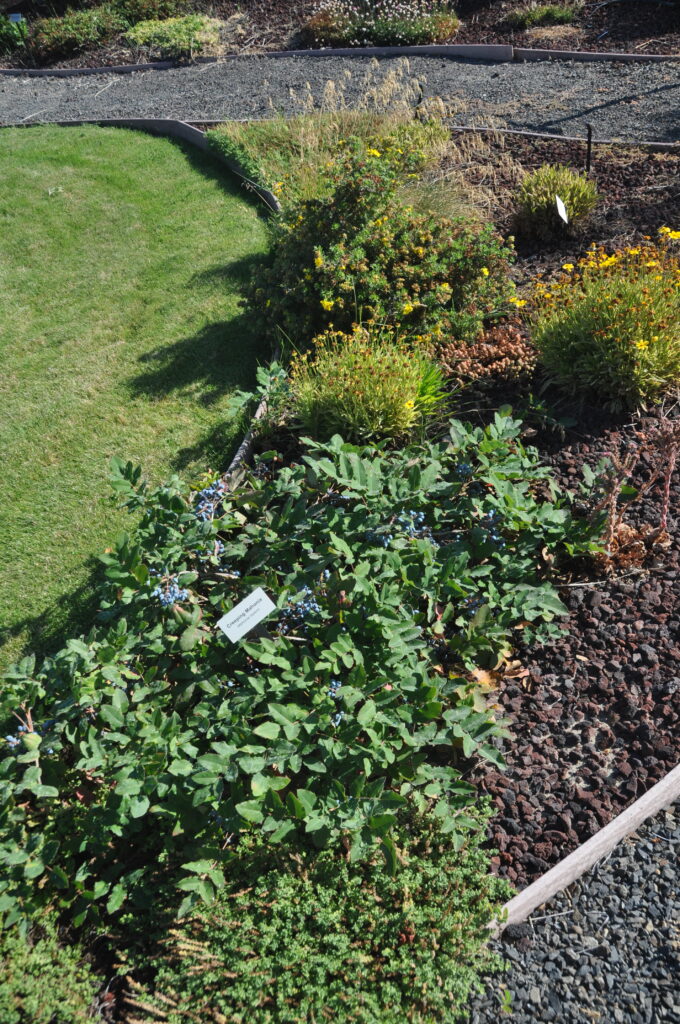
Key initiatives included contributing to Community Wildfire Protection Plans for Chelan and Douglas counties, emphasizing Home Ignition Zone (HIZ) principles—a crucial strategy for reducing fire hazards around residences. They collaborated with the Wenatchee Valley Fire Department to advocate for less flammable native vegetation near urban areas, strengthening the region’s landscape fire defense zones.
The program extended its educational outreach by engaging with local schools, introducing students to fire-resistant landscaping concepts, monitoring techniques, and ecosystem impacts. Additionally, they developed a middle-school curriculum on the HIZ, ensuring future generations understand the role of vegetation in wildfire resilience.
Beyond local initiatives, the Master Gardeners expanded their reach by presenting at multiple forums, including the Grant County Master Gardeners’ annual meeting, the US Forest Service’s National Native Nursery Managers gathering, and the Western Washington Horticulture Conference—each reinforcing the necessity of resistant landscape strategies in preventing wildfire losses.
Through training sessions, video production with WSU and Washington DNR, and direct collaboration with conservation districts, they continued to advocate for widespread adoption of fire-smart landscaping practices. Their dedication to educating, planning, and implementing resilient vegetation strategies has played a significant role in advancing wildfire defense efforts across the state.