Neighbors helping neighbors protect water
Engaging university-trained volunteers to empower and sustain diverse communities with relevant, unbiased, research-based horticulture and environmental stewardship education. Read about Extension Master Gardeners in the news around Washington state.
Cleaner Water, One Garden at a Time
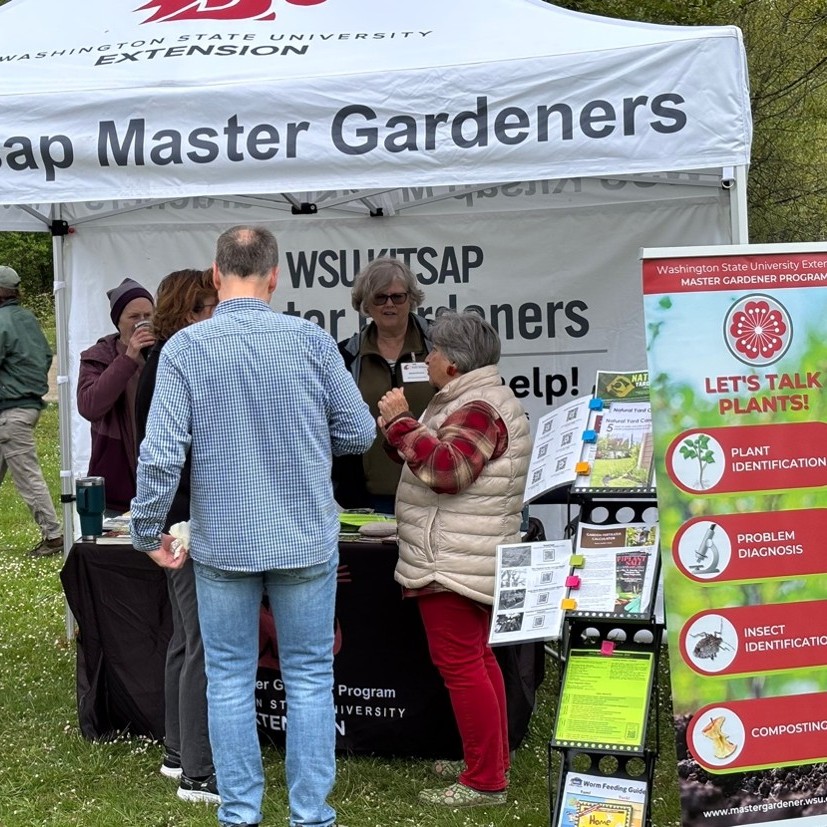
WSU Extension Kitsap Master Gardeners stepped in to teach residents how to protect local waterways by changing the way they care for their home landscapes. All year long, volunteers set up their bright green “Ask a Master Gardener” tents at farmers markets, libraries, and community sites, inviting people to bring their toughest plant and pest problems. Every question—whether about a struggling tomato, a patchy lawn, or an unknown insect—became a chance to teach safer, more sustainable gardening.
Instead of reaching for quick chemical fixes, residents learned how composting, mulching, planting natives, and using Integrated Pest Management could keep their yards healthy while reducing polluted runoff into Puget Sound. Volunteers handed out well‑loved guides like Home Composting Made Easy and Kick the Weed and Feed Habit, helping people understand how small changes at home protect salmon, wildlife, and drinking water.
By the end of the season, Master Gardeners had helped more than 5,000 people—one conversation, one plant sample, one “aha!” moment at a time—building a community of gardeners who now see their yards as part of a larger watershed worth caring for.

Snohomish County Master Gardeners Helping Residents Keep Rain Where it Falls
In Snohomish County, Master Gardeners took on a growing challenge—helping residents keep rainwater on their property instead of sending polluted runoff into storm drains. Partnering with Snohomish County Stormwater Management, volunteers became the heart of the annual RainScaping Expo, where they hosted nine hands‑on booths that showed visitors how simple gardening choices protect clean water.
At stations like Soil Texture & Infiltration, Mulch Matters, Sheet Mulching, and Matching Plant to Place, Master Gardeners demonstrated how healthy soil, the right plants, and thoughtful planting techniques slow rain, absorb water, and prevent erosion. Families gathered around the Beneficial Insects & Pollinators booth to learn how supporting insects reduces the need for chemicals, while the Tool Sharpening station kept gardeners equipped to care for their landscapes sustainably. Two youth booths—Pollinators and The Water Cycle—helped kids understand how rain moves through their world and how they can help protect it.
Master Gardeners also supported Expo lectures on topics like Improving Soil to Capture Rain, Lawn Alternatives, Rain Gardens, and Plants for Wet Areas, giving residents practical steps to transform their yards into water‑wise landscapes.
By the end of the event, hundreds of visitors left with new skills, new confidence, and a clearer understanding that every garden, no matter the size, can help keep Snohomish County’s water clean.
Teaching Kids How Bats Help Keep Our Water Clean
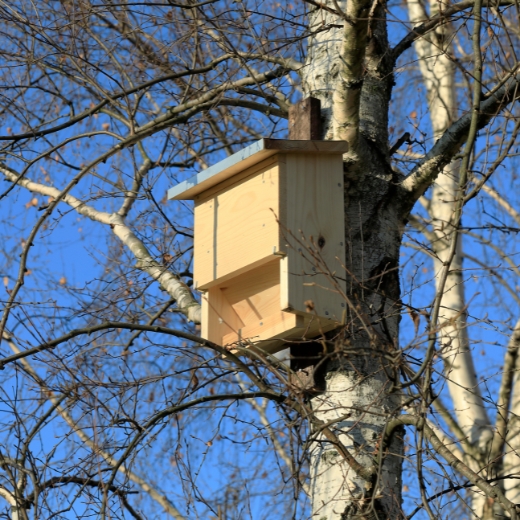
WSU Extension Yakima County Master Gardeners used the curiosity of children to spark family conversations about keeping our water clean. Through their Youth Outreach program, volunteers taught students and parents how bats play an important role in reducing pests—helping families understand that fewer insects often means fewer pesticides washing into local streams.
At the Farmers Market, kids had just a few minutes to learn before diving into hands‑on activities like building bat houses or exploring worm bins. Those quick lessons often pulled parents in too, leading to conversations about how they could support bats, compost at home, and cut back on chemicals in their yards.
STEAM nights allowed for deeper learning with older students. Middle schoolers crowded around bat wing displays, comparing the bones to their own arms and discovering how closely connected humans are to the wildlife that helps protect our environment.
By the end of the year, more than 200 students and 175 family members had learned that caring for bats, building healthy soil, and reducing pesticides are simple steps anyone can take to help keep Yakima County’s water clean—starting right in their own backyard.
Throughout this site there are links to documents of various file types. Please contact our Statewide Program Leader if you require this information in a different format.