Throughout this site there are links to documents of various file types. Please contact our Statewide Program Leader if you require this information in a different format.
Soil health: Increase productivity and protect the ecosystem
Engaging university-trained volunteers to empower and sustain diverse communities with relevant, unbiased, research-based horticulture and environmental stewardship education. Read about Extension Master Gardeners in the news around Washington state.
Learn & Apply
- The Evergreen Podcasts on Soil Health
- Home Gardener’s Guide to Soils and Fertilizers – EM063E
- Learn how to have your soil tested
- Cover Crops for Home Gardeners East of the Cascades – FS117E
- Cover Crops for Home Gardens West of the Cascades – FS111E
- Consider no-till gardening
- Drip Irrigation for the Yard and Garden – FS030E
- Backyard Composting – EB1784E
- The Essentials of Composting | Spokane County | Washington State University
- Soil Texture Analysis: The Jar Test
- Soil Texture Triangle
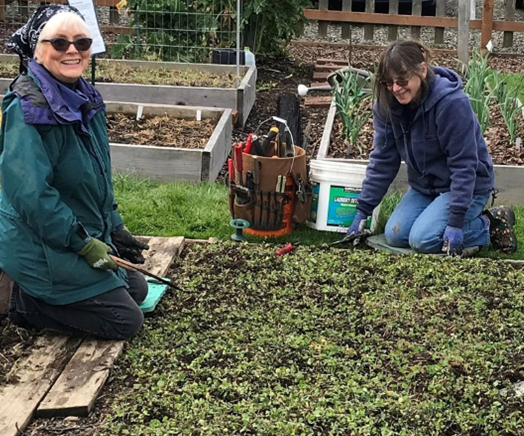
Impact of the WSU Extension Master Gardener Program
By emphasizing research-based practices for maintaining healthy soil, such as using adequate plant residue and living plants, the program effectively reduces erosion and preserves soil productivity.
Learn more about the public value of our impacts in our 2023 Annual Report.
Quick tips
- Add Organic Matter: Incorporate compost, manure, or leaf mold to improve soil structure and provide essential nutrients.
- Mulch Regularly: Use organic mulches like straw, wood chips, or grass clippings to retain moisture, regulate soil temperature, and reduce weed growth.
- Implement No-Till Gardening: This method reduces soil disturbance, helping to maintain soil structure and preserve beneficial microorganisms.
- Rotate Crops: Plant different crops in different areas each season to prevent nutrient depletion and reduce pest and disease buildup.
- Test Soil pH: Regularly test your soil’s pH and adjust it as needed to ensure optimal nutrient availability for plants.
- Avoid Chemical Pesticides: Use natural pest control methods to protect beneficial insects and microorganisms in the soil.
- Practice Smart Watering: Water deeply but infrequently to encourage deep root growth and reduce soil compaction.
- Rain Gardens: Create rain gardens to capture and filter runoff water.
