Throughout this site there are links to documents of various file types. Please contact our Statewide Program Leader if you require this information in a different format.
Water conservation: Our shared responsibility
Engaging university-trained volunteers to empower and sustain diverse communities with relevant, unbiased, research-based horticulture and environmental stewardship education. Read about Extension Master Gardeners in the news around Washington state.
Learn & Apply
- The Evergreen Thumb podcasts: Cultivating Landscapes with Water-Wise Gardening Practices
- Irrigation in the Pacific Northwest
- Rain Gardens | Washington State University
- Rain Garden Online Training | Master Gardener Program | Washington State University
- Washington Native Plant Society (WNPS) Home
- WSU Extension Publications|Drip Irrigation for the Yard and Garden
- Through thoughtful practices, lawns can be climate-friendly | OSU Extension Service
Impact of the WSU Extension Master Gardener Program
WSU Extension Master Gardener Program sustains biodiversity by teaching stewardship of healthy ecosystems and about controlling
invasive species.
Learn more about the public value of our impacts in our 2023 Annual Report .
Quick tips
- Mulch: Apply a layer of organic mulch around plants to retain soil moisture and reduce evaporation.
- Water Early or Late: Water your garden in the early morning or late evening to minimize water loss due to evaporation.
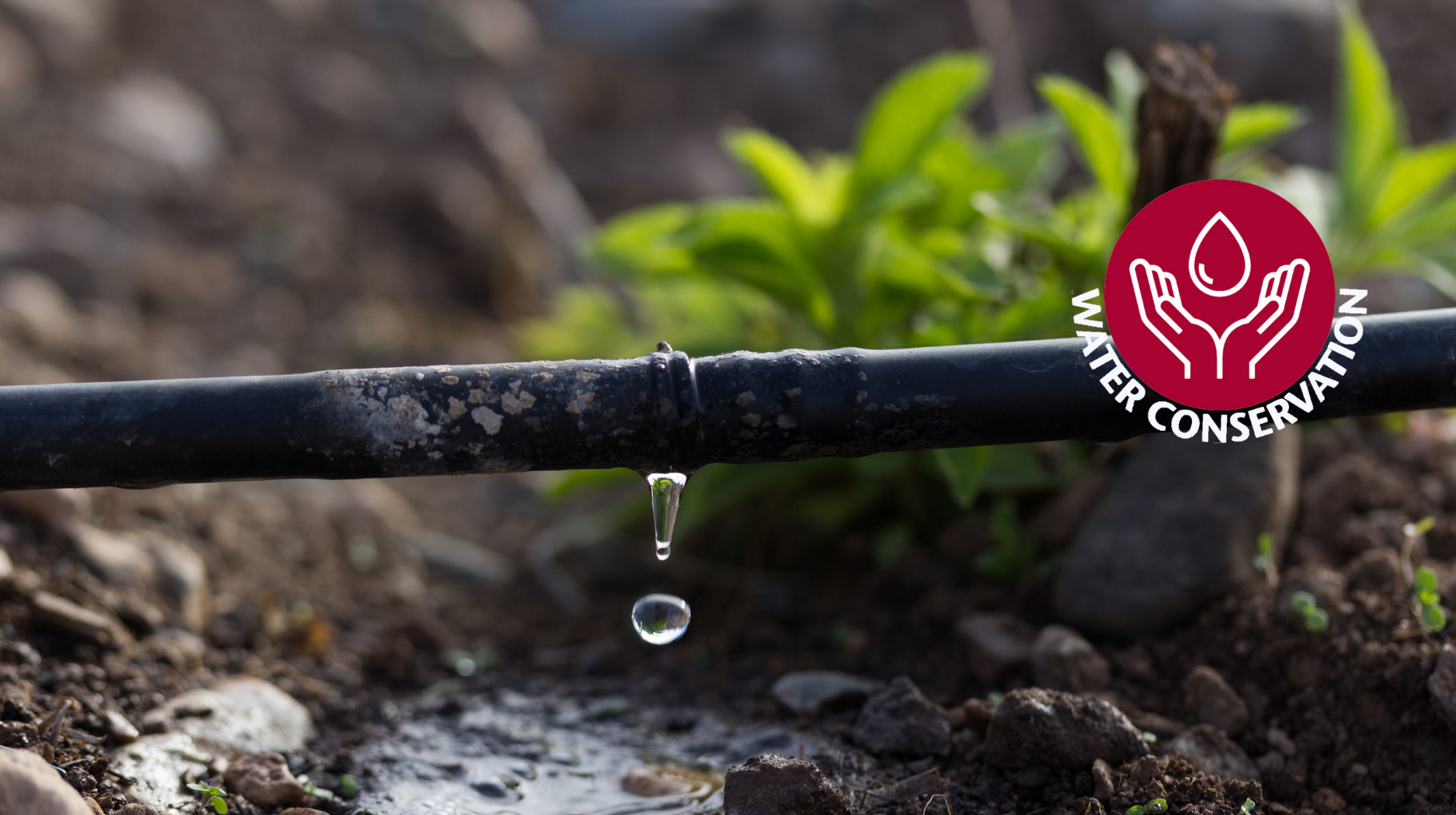
- Drip Irrigation: Use drip irrigation systems to deliver water directly to the plant roots, reducing water waste.
- Collect Rainwater: Set up rain barrels to collect rainwater for garden use.
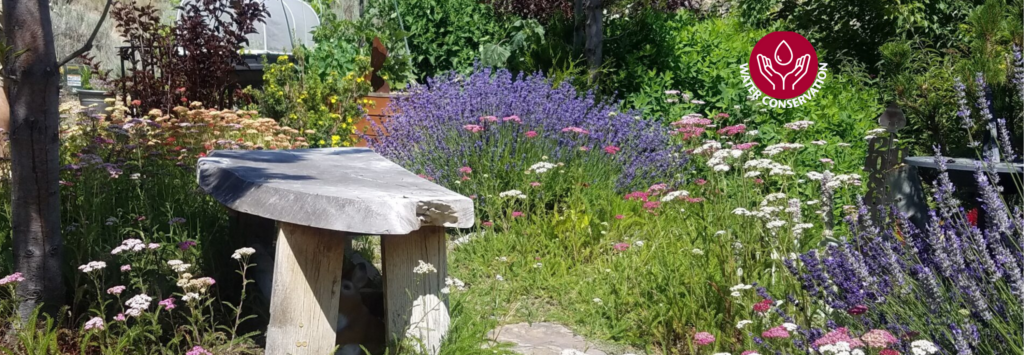
- Choose Drought-Tolerant Plants: Select plants that are adapted to dry conditions and require less water.
- Group Plants by Water Needs: Plant species with similar water requirements together to optimize watering efficiency.
- Use a Soaker Hose: Soaker hoses deliver water slowly and directly to the soil, reducing runoff and evaporation.
- Water Deeply and Infrequently: Watering deeply encourages deep root growth, making plants more drought-resistant.
- Fix Leaks: Regularly check and repair any leaks in your irrigation system to prevent water waste.
- Use Greywater: Reuse household greywater (from sinks, showers, etc.) for watering non-edible plants.
