Your Guide to Integrated Pest Management (IPM) Strategies
Support the Master Gardener ProgramThroughout this site there are links to documents of various file types. Please contact our Statewide Program Leader if you require this information in a different format.
IPM for Home Gardens: Eco-Friendly Pest Control Made Simple
What Is IPM and Why It Matters to Home Gardeners
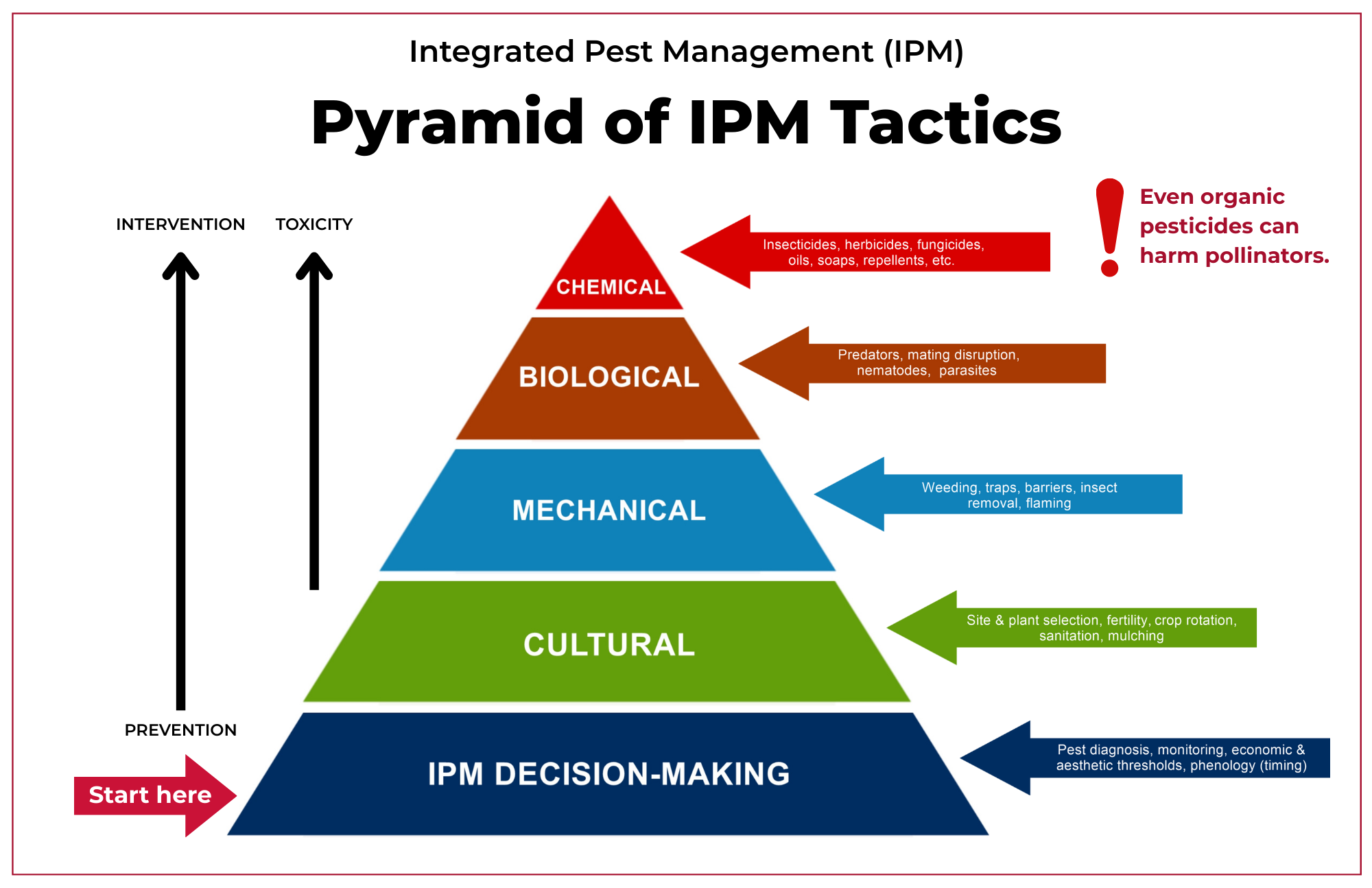
Integrated Pest Management (IPM) is a step-by-step approach to managing garden pests in a way that protects plants, people, and the environment. Think of IPM as a pyramid of decision-making.
By following the IPM pyramid, home gardeners can create a thriving, sustainable garden while protecting pollinators, reducing pesticide use, improving soil health, and safeguarding water quality.
Free download: Pacific Northwest Gardener’s Handbook: Growing for the Future
WSU Extension’s new, definitive gardening resource, the expanded, modernized, and regionally focused Pacific Northwest Gardener’s Handbook: Growing for the Future is a multi-year culmination of expertise covering the fundamentals of gardening as well as advanced horticultural knowledge. Chapters 21-22 cover IPM and pesticide use. This is a free download. Printing is permitted for personal use only.
Hortsense
Hortsense is WSU’s go-to Integrated Pest Management (IPM) resource for home gardeners, offering practical, environmentally responsible solutions to plant problems. With easy-to-understand fact sheets, it highlights cultural and biological controls first, and provides guidance on Washington-approved pesticides only when necessary. Whether you’re dealing with insects, diseases, or weeds, Hortsense helps you make informed choices for a healthy, sustainable garden.

Pestsense
WSU Pestsense is designed to help you manage common indoor pest problems using Integrated Pest Management (IPM) strategies that prioritize practical, environmentally responsible solutions.
IPM Decision-Making: The Foundation of Effective Pest Management
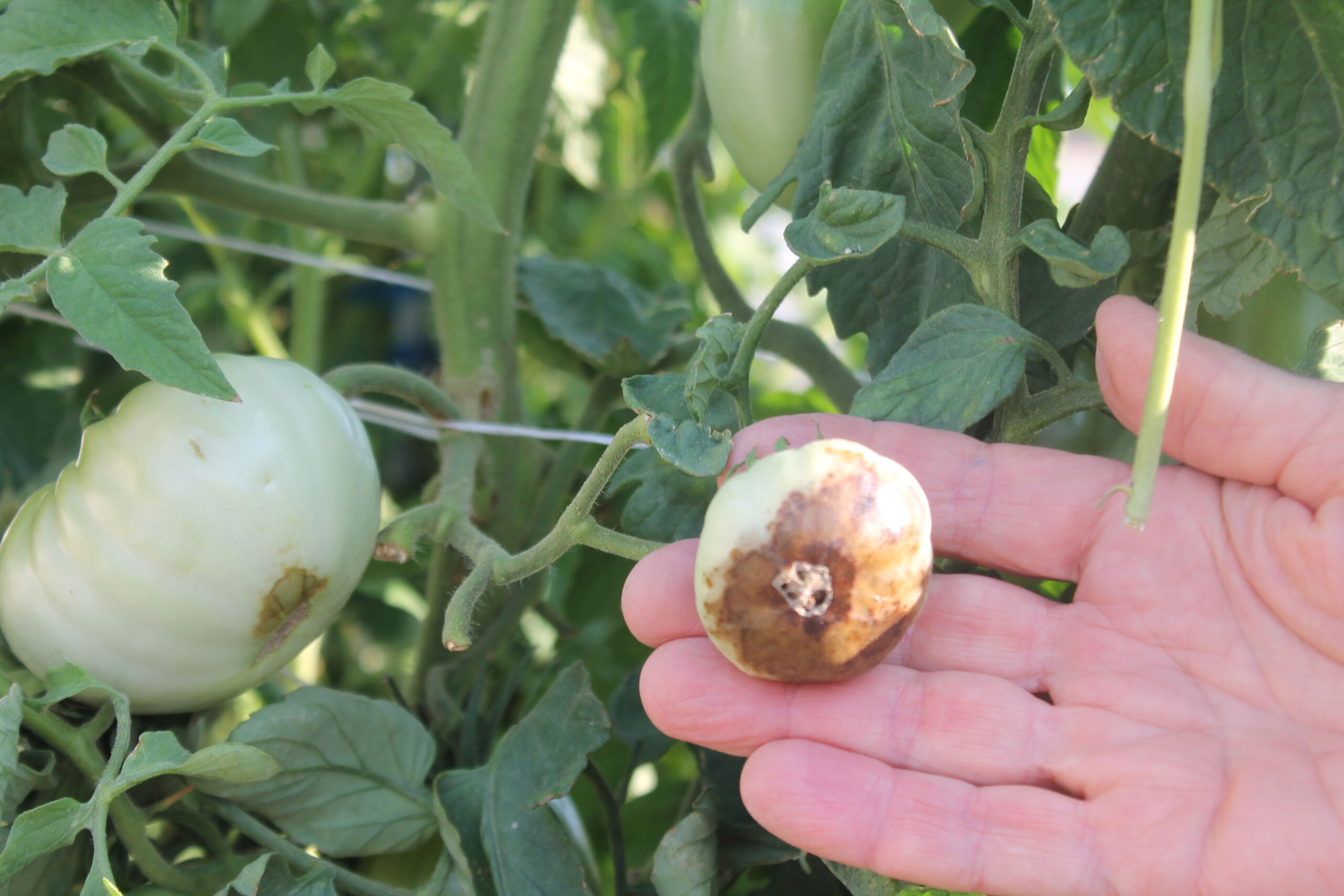
Before taking any action, IPM starts with informed decision-making. This means correctly diagnosing the pest—identifying whether the problem is caused by insects, disease, or environmental stress. Next, monitoring comes into play: regularly inspecting plants to track pest populations and damage over time. Gardeners then consider thresholds—the point at which pest damage becomes unacceptable. For home gardens, this often includes economic thresholds (cost of damage vs. cost of control) and aesthetic thresholds (how much damage you’re willing to tolerate for appearance). Finally, phenology (the study of seasonal plant and pest life cycles) helps time interventions effectively, such as applying controls when pests are most vulnerable or when beneficial insects are less active. These steps ensure that any action taken is necessary, targeted, and sustainable.
Dig deeper, learn more
Contact your local WSU Master Gardener plant clinic for expert, research-based help with plant care and pest management. Ask a Master Gardener
The iNaturalist app helps identify garden pests by letting you upload photos and receive expert community feedback. A Community for Naturalists · iNaturalist
AgWeatherNet provides real-time local weather data that helps home gardeners predict pest and disease risks, improving the timing and effectiveness of IPM decisions. AgWeatherNet | Washington State University
Newsletter | Integrated Pest Management | Washington State University
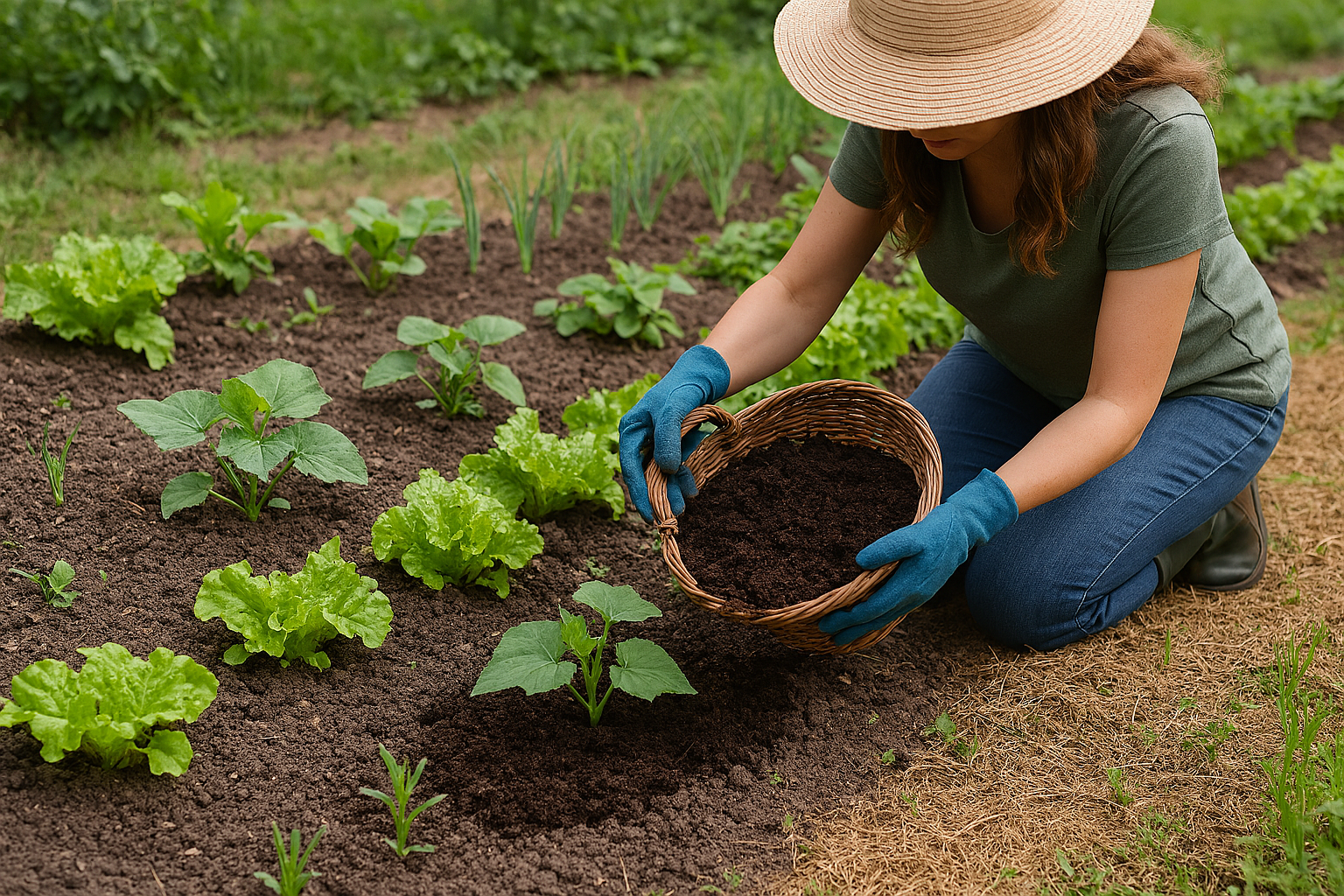
Cultural Controls: Building a Healthy Garden from the Ground Up
Cultural controls are the first line of defense in Integrated Pest Management and focus on creating conditions that discourage pests naturally. Start by choosing pest-resistant plant varieties suited to your region—they’re less likely to suffer from common diseases or insect problems. Practice crop rotation in vegetable gardens to break pest and disease cycles that thrive when the same plants grow in the same spot year after year. Maintain healthy soil through composting and proper fertilization, as strong plants are better able to resist pests. Other cultural practices include proper spacing for airflow, watering at the base to avoid leaf wetness, and removing plant debris that can harbor pests. These proactive steps make your garden less inviting to pests and reduce the need for chemical interventions.
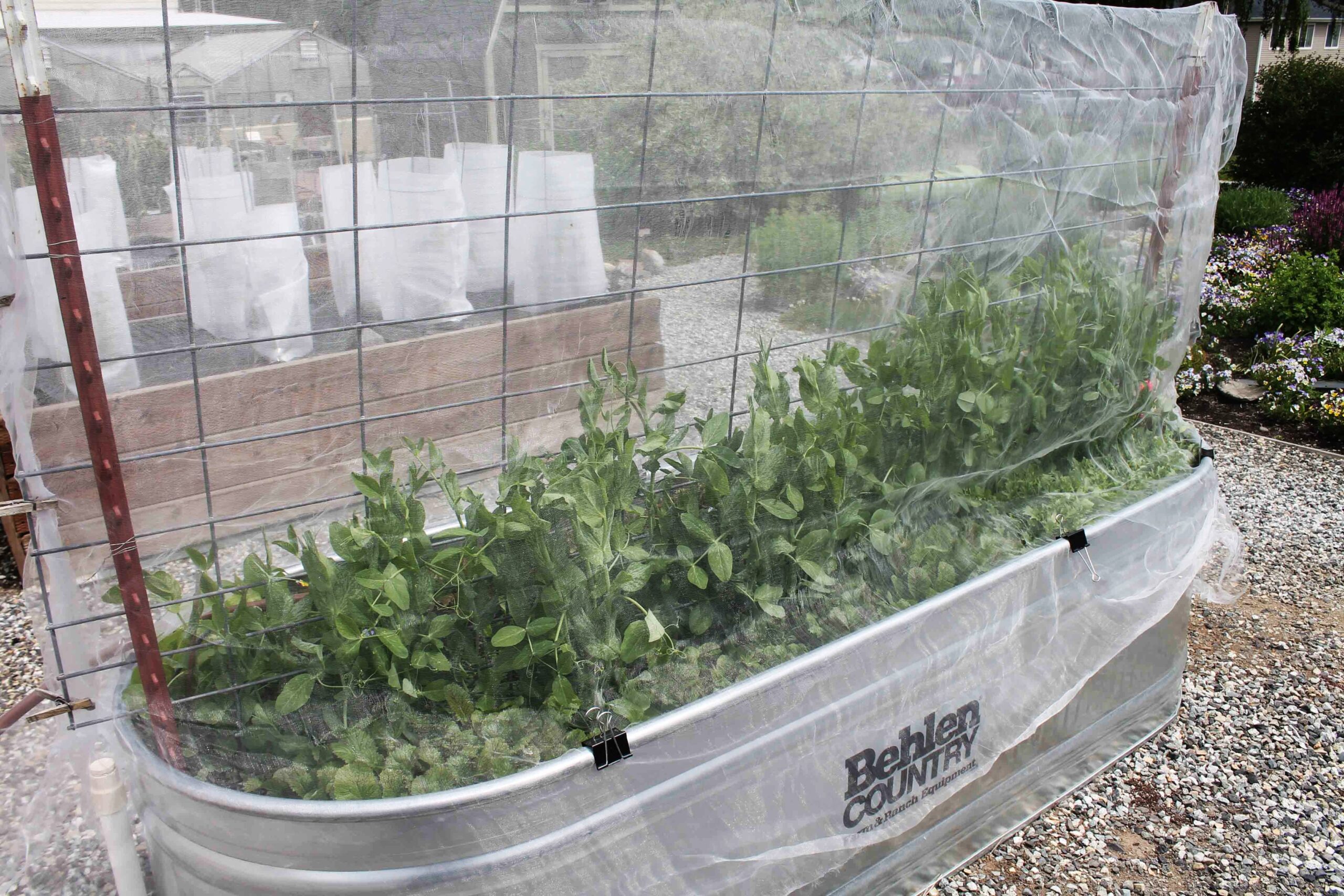
Mechanical Controls: Hands-On Pest Management
Mechanical controls involve physically removing or blocking pests to prevent damage. Simple actions like hand-picking insects, pruning infested branches, or removing diseased plants can stop problems before they spread. Barriers such as row covers, collars around seedlings, or sticky traps help keep pests away from vulnerable plants. You can also use mulches to suppress weeds and reduce habitat for pests. These methods are effective, chemical-free, and often provide immediate results for home gardeners.
Dig deeper, learn more
Using IPM- Five thoughts on Mechanical and Physical Controls
Row Covers – Lightweight fabric barriers placed over plants to physically block insects like aphids, flea beetles, and cabbage moths while allowing light and water through.
Seedling Collars – Protective collars around seedlings to prevent soil-dwelling pest damage by creating a physical barrier at the soil line.
Sticky Traps – Colored cards coated with adhesive to monitor and reduce flying pests such as whiteflies, fungus gnats, and aphids; useful for early detection and population tracking.
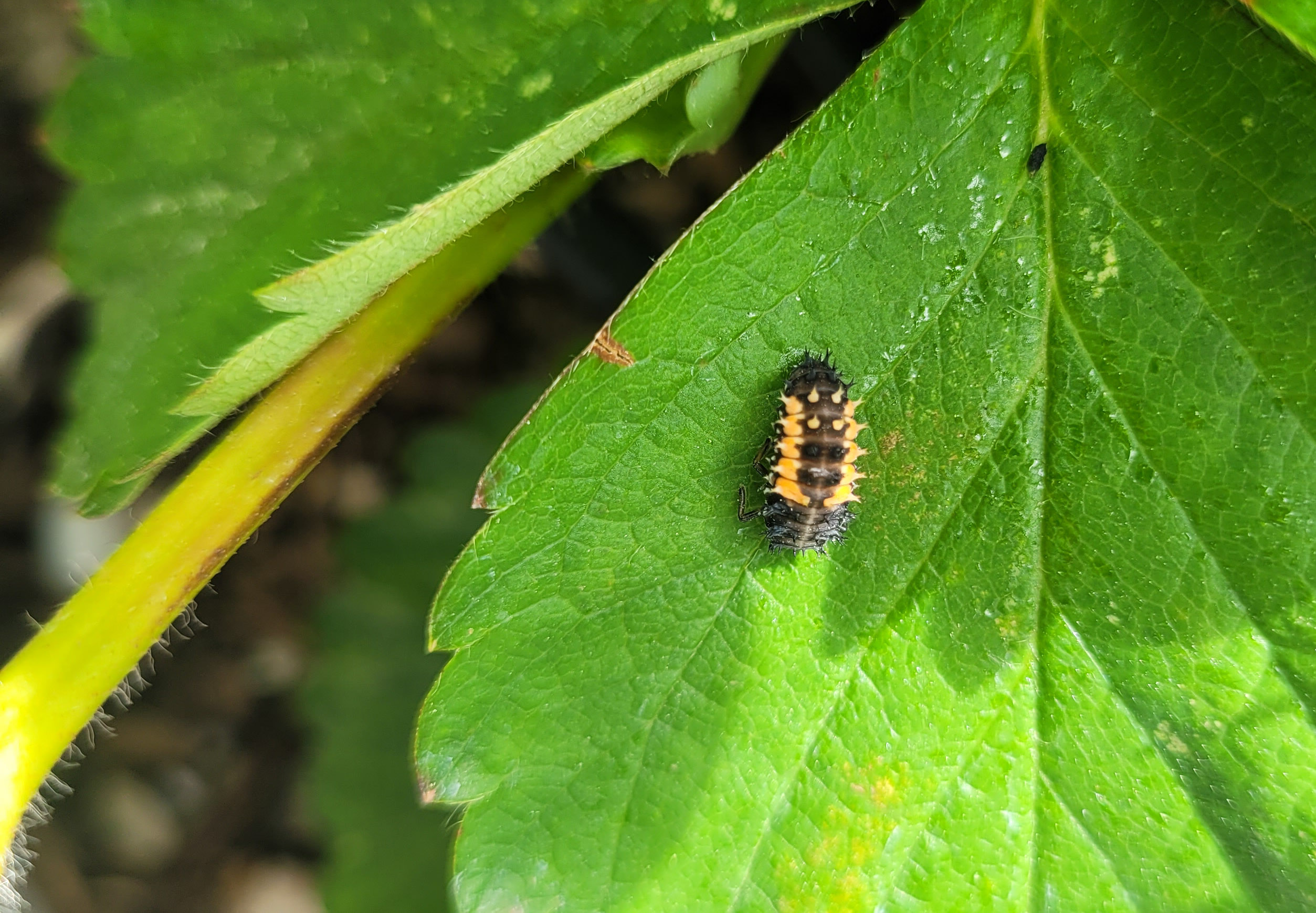
Biological Controls: Nature’s Pest Managers
Biological controls use living organisms to keep pest populations in check. This includes encouraging beneficial insects like ladybugs, lacewings, and parasitic wasps that prey on harmful pests. You can attract these allies by planting nectar-rich flowers or providing habitat. Other strategies include introducing beneficial nematodes to control soil-dwelling pests or using microbial products like Bacillus thuringiensis (Bt) for caterpillar control. By working with nature, biological controls help maintain a balanced ecosystem and reduce reliance on chemicals.
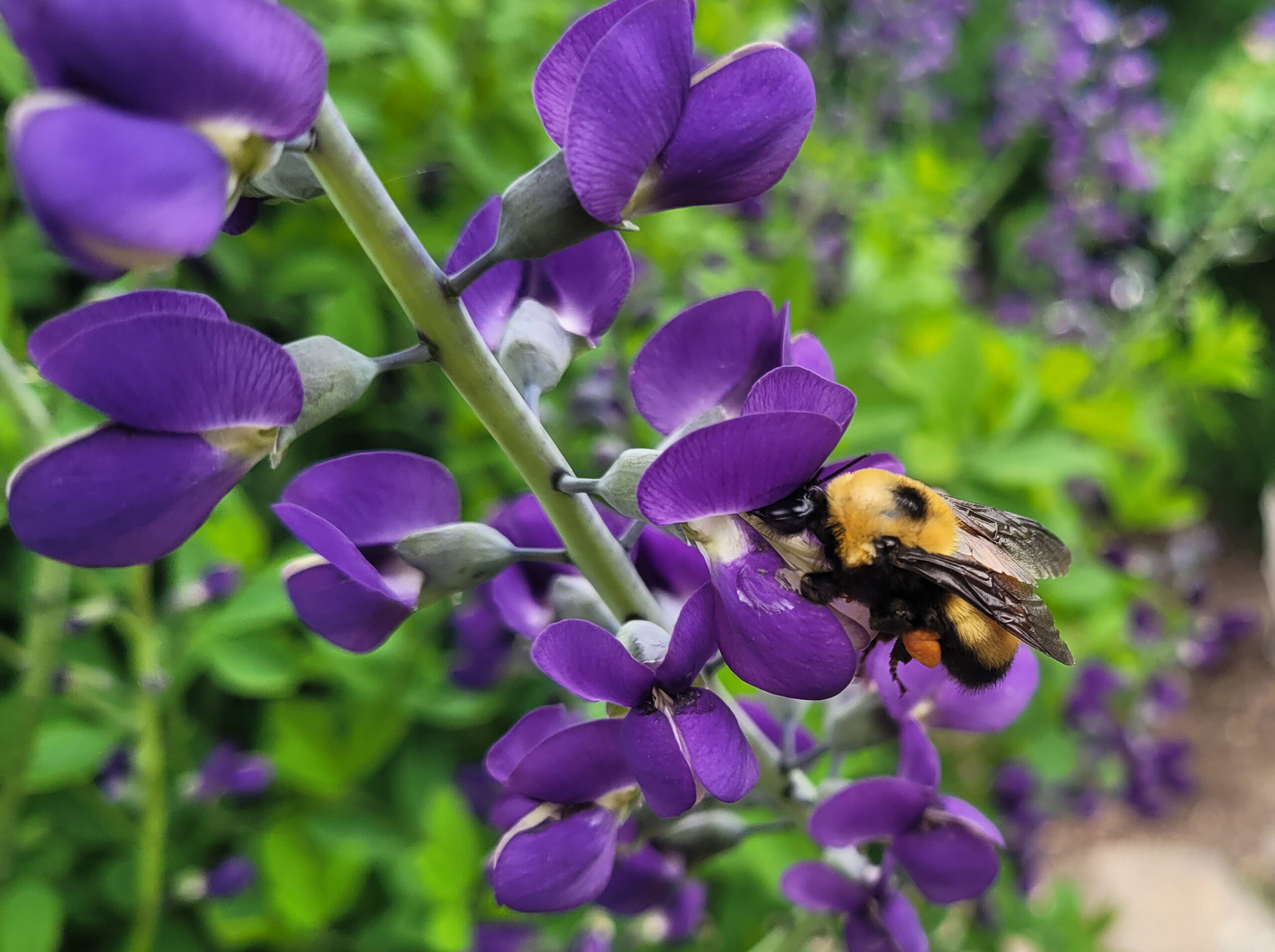
Chemical Controls: The Last Resort
Chemical controls are used only when other methods aren’t enough and pest damage exceeds acceptable thresholds. The goal is to apply least-toxic, targeted products that minimize harm to beneficial organisms, pollinators, and the environment. Examples include insecticidal soaps, horticultural oils, or selective pesticides designed for specific pests. However, it’s important to remember that organic pesticides can also be harmful to pollinators and other beneficial insects, so they should be used sparingly and according to label directions. Always read and follow instructions, apply at the right time (often based on pest phenology), and avoid broad-spectrum chemicals that can disrupt natural pest control. Chemical controls should complement—not replace—other IPM strategies.
Dig deeper, learn more
Always follow the instructions on a pesticide label—it’s the law, and doing so ensures safe, effective pest management that protects your plants, your health, and the environment.
EPA Bee Advisory Box (A label warning that highlights pesticide restrictions designed to protect bees and other pollinators.)
How to Read Pesticide Labels | Yakima County | Washington State University
Learn simple steps to protect pollinators by using pesticides safely and responsibly.
Organic Pesticides: Minimizing risks to pollinators and beneficial insects
Neonicotinoid Pesticides and Bees | WSU Extension Publications | Washington State University
Backyard fruit tree care schedules are designed with Integrated Pest Management (IPM) principles to keep your trees healthy and productive year-round.
Backyard Fruit Tree Spray Schedules | WSU Tree Fruit | Washington State University