Helping Communities Grow Their Own
Engaging university-trained volunteers to empower and sustain diverse communities with relevant, unbiased, research-based horticulture and environmental stewardship education. Read about Extension Master Gardeners in the news around Washington state.
Protecting Local Orchards Through Backyard Fruit Tree Education
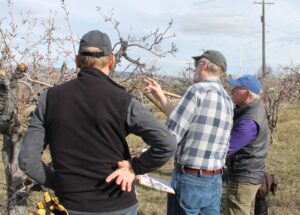
WSU Extension Chelan‑Douglas Master Gardener volunteers play a vital teaching role in protecting the region’s orchard industry by providing homeowners with practical, research‑based fruit tree education. During a fully enrolled spring pruning class at the Wenatchee Tree Fruit Research & Extension Center | Washington State University, volunteers taught participants how to properly prune and care for their backyard fruit trees—skills that help prevent pests and diseases from spreading into nearby commercial orchards.
As commercial tree fruit resources within WSU Extension face increasing demand, backyard growers often lack access to timely, practical guidance. Master Gardener volunteers fill this critical gap by teaching residents how to prune, maintain, and monitor their trees responsibly. Through a blend of classroom learning and hands‑on practice, participants gained skills that directly support healthier trees, safer neighborhoods, and a more resilient local fruit industry.
“Our volunteers help backyard fruit tree owners understand both best practices and their legal responsibility to maintain healthy trees,” said Marco Martinez, coordinator of the WSU Chelan‑Douglas Master Gardener Program.
By empowering homeowners with science‑based horticulture education, the Master Gardener Program protects the economic vitality of the region’s orchards, reduces the risk of disease and pest outbreaks, and strengthens the shared stewardship of one of North Central Washington’s most important agricultural assets.
Growing Confidence—and Vegetables
WSU Extension Skagit County Master Gardener volunteers taught a class that gave participants a stronger foundation—and renewed confidence—for growing local food successfully. By breaking down the science of healthy soil, volunteers helped residents understand how nutrients, structure, and even soil temperature influence plant growth. Participants were especially engaged by the soil food web and hands‑on tools like sedimentation tests and simple organic fertilizer recipes.
Seeds were another highlight. From seed exchanges at libraries to tips on direct sowing versus transplanting, attendees discovered new ways to start their gardens. Month-by-month planting calendars tailored to the Northwest helped simplify timing, making the complex process of crop rotation and succession planting feel manageable.
Practical tools and techniques rounded out the class. The drip irrigation bucket inspired many to try a simple, low-cost watering method, while Remay fabric was introduced as a barrier against pests like wireworms in carrots and radishes. Specific crop advice—such as starting squash indoors in May, waiting for warm nights before planting tomatoes, and using certified seed potatoes—gave gardeners clear steps to follow.
Through clear, research‑based teaching, the Master Gardener Program turned complex soil science into practical, usable skills—empowering community members to make better decisions in their gardens and deepen their curiosity about sustainable local food production. By the end, participants agreed: knowledge is power. With soil‑care strategies, seed resources, and practical planting guides in hand, they felt ready to make this season their best yet.
Building a Stronger Local Food System
Throughout 2025, WSU Extension Spokane Master Gardener volunteers shared research-based lessons on growing food through classes, demonstrations, plant clinics, outreach booths, and online fact sheets, helping thousands of residents learn how to cultivate their own harvests.
In community gardens across the county, 36 compost systems arrived through Department of Ecology grant funding, paired with training that turned food scraps into fertile soil, while additional support helped gardens purchase compost and strengthen their growing spaces.
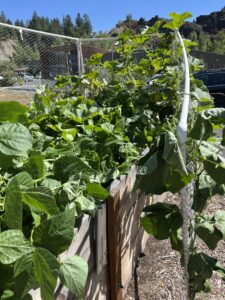
As people learned to spot fruit tree pests earlier and manage problems in vegetable plots more confidently, gardens became healthier and more productive. The raised beds tended by volunteers demonstrated sustainable practices in action, and the harvest did not stop at the garden gate.
By season’s end, 1,918 pounds of fresh produce had been donated to local food banks, bringing both nourishment and an estimated $3,730 in food savings to community members. What began as education blossomed into resilience, generosity, and a stronger local food system for Spokane.
Growing Skills, Growing Food
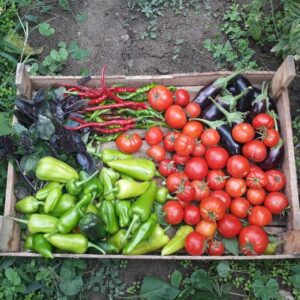
WSU Extension Jefferson County Master Gardeners strengthened community food security by combining hands‑on gardening support with practical, research‑based education. Volunteers helped grow and deliver more than 4,296 pounds of fresh produce to local food banks and contributed over 1,000 hours of service to support food‑growing efforts across the county.
Their outreach included a monthly vegetable‑gardening radio program, fruit‑pruning workshops, youth fruit‑tree grafting, and partnerships with school gardens to build skills among young learners. Master Gardeners also expanded community knowledge through the Growing Groceries course and presentations to local garden clubs and civic groups.
Growing Groceries participants reported significant knowledge gains in soil improvement, irrigation, crop rotation, pollinators, and winter gardening. Many plan to adopt sustainable practices such as composting, sheet mulching, no‑till methods, and adjusting soil pH. They also intend to improve garden resilience through crop rotation, companion planting, adding pollinator‑friendly flowers, and better pest‑prevention planning. Water conservation practices—like installing irrigation systems and increasing mulching—were also high on their list.
Together, these efforts are helping Jefferson County residents grow healthier food, strengthen local resilience, and build a more food‑secure community.
From Questions to Confidence: Helping Kittitas County Grow
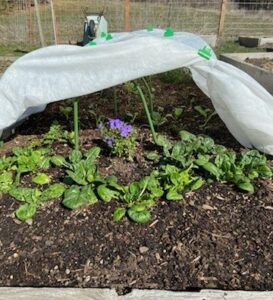
In 2025, Extension Kittitas County Master Gardeners strengthened local food knowledge and gardening success by providing research‑based education and hands‑on guidance to residents across the county. Through classes, demonstrations, and interactive outreach, volunteers helped 580 community members learn how to start vegetable gardens, extend the growing season, use cover crops, and support pollinators.
Throughout the year, Master Gardeners answered hundreds of questions about gardening in Kittitas County’s diverse microclimates—from snowmelt timing and seed starting to wildlife challenges and planting under cloches. Their approachable, practical teaching helped residents gain confidence in growing their own food, with many expressing heartfelt appreciation: “Thank you for answering my gardening questions.”
This work builds community resilience by empowering residents with the skills they need to grow healthy, local food.
Cultivating Food‑Growing Skills for a Healthier Community
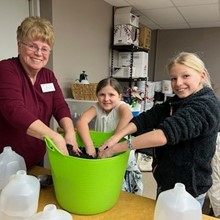
WSU Extension Grant‑Adams County Master Gardeners conduct plant clinics and outreach events where growing food sustainably is the number‑one topic community members seek help with. In 2025, volunteers expanded their presence more than ever, offering 46 clinics and educational venues at farmers markets, fairs, workshops, and online. Nearly 160 food‑growing questions were answered, covering everything from seasonal vegetable choices and fruit‑tree pest management to soil improvement, small‑space gardening, and troubleshooting common crop issues.
Master Gardeners also reached new audiences through presentations at the Boys & Girls Club, Big Bend Community College, and the Columbia Basin Job Corps. At Job Corps, students applied Master Gardener recommendations to grow produce in raised beds for their school kitchen—an immediate, tangible contribution to local food access.
Residents consistently reported that the information they received was credible, research‑based, and directly applicable to their gardens, expressing a clearer understanding of how to grow food more sustainably, choose locally adapted crops, manage pests responsibly, and incorporate more home‑grown produce into their meals. By meeting people where they are and answering real‑time questions, Master Gardeners strengthened local food knowledge and helped community members grow healthier, more resilient food systems close to home, building community resilience by empowering residents with the skills they need to grow healthy, local food.
Growing Food Security Through Gardening Education
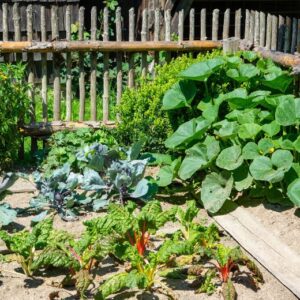
WSU Extension Pend Oreille County Master Gardeners taught foundational, research‑based gardening skills that strengthened community food resilience across the county. Through classes on what plants need to thrive—soil types, plant categories, tools, and safe gardening practices—participants gained the confidence to select and grow vegetables and fruits their families enjoy.
Master Gardeners also helped attendees choose plant varieties suited to local microclimates and individual garden spaces, ensuring that new gardeners could be successful in Pend Oreille County’s unique growing conditions. Participants reported positive experiences and left with practical knowledge they can use immediately.
By equipping residents with the skills to grow their own fruits and vegetables, Master Gardeners are helping reduce food insecurity and empowering families to produce fresh, healthy food at home. Their work builds long‑term community resilience—one gardener at a time.
Growing Food, Skills, and Community Resilience in Stevens County
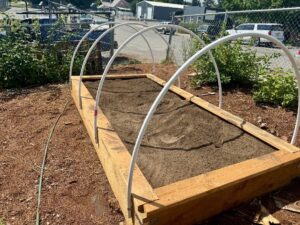
In 2025, WSU Extension Stevens County Master Gardeners strengthened local food security by expanding and revitalizing the raised‑bed garden they assumed in 2024. Volunteers added a new large bed and installed a Mason bee hotel to demonstrate the essential role of pollinators in productive vegetable gardens. Their efforts resulted in 291 pounds of fresh produce donated to the local Food Bank.
Master Gardeners also deepened their partnership with the county’s Grow‑Your‑Own‑Row program, helping underserved residents learn how to grow their own food. At nine events throughout the season, 230 participants received vegetable seedlings, seeds, grow bags, soil, and hands‑on instruction tailored to their home gardening situations. Many left feeling confident and motivated to try growing food for the first time.
Through education, demonstration, and direct support, Stevens County Master Gardeners are empowering residents to build gardening skills, increase access to fresh produce, and strengthen community resilience—one garden row at a time.
The Share Table: Empowering Families to Grow and Enjoy Fresh Food
Extension San Juan County Master Gardeners launched “The Share Table” in 2025, a new partnership with San Juan County Health & Community Services and the Friday Harbor Food Bank to help residents grow, prepare, and enjoy fresh, garden‑grown produce. Located beside the Master Gardener Demonstration Garden, which donates 1,600–1,700 pounds of produce to the Food Bank each year, the Share Table brought direct, hands‑on support to hundreds of community members.
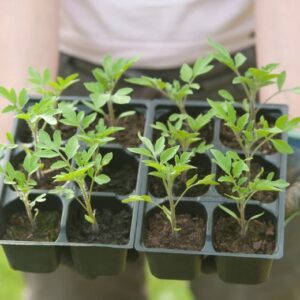
From April through October, more than 300 clients stopped at the Share Table during Food Bank hours, with over 1,100 shoppers passing by the outreach station. Master Gardeners provided bilingual planting calendars, high‑quality vegetable starts, and personalized gardening guidance tailored to small spaces and local microclimates. County Health staff complemented this support with healthy, garden‑based recipes and food samples that showed simple ways to prepare fresh produce at home.
Held twice monthly, each session engaged 20–30 clients and distributed a full flat of vegetable starts—helping families grow basil, mint, lettuces, kales, tomatoes, peppers, and more. The partnership strengthened community connections, increased access to nutrient‑dense foods, and empowered residents with the skills to grow and cook fresh produce.
Cultivating Life Skills in Yakima County
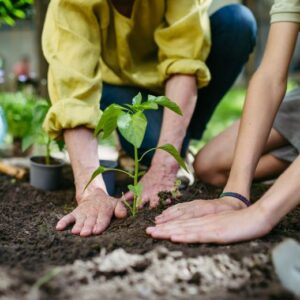
WSU Extension Yakima County Master Gardeners taught 34.5 hours of hands‑on gardening classes at Selah Middle School, reaching 1,115 students with practical, research‑based lessons. Held in the school’s garden and greenhouse—learning spaces originally developed by Master Gardeners three years ago and now thriving—these classes strengthened youth food security and life‑skills education by giving students the knowledge and confidence to grow their own food.
Integrated into the school’s Life Skills curriculum, these sessions have become a student favorite, due in part to the warm, consistent presence of the Master Gardener lead affectionately known as “Grandma M.” Volunteers taught foundational topics including plant biology, worm composting, tool maintenance, jug gardening, noxious weeds, proper planting techniques, watering methods, and ongoing care for vegetables and herbs.
The impact of this work is captured in a moment shared by the lead volunteer. While transplanting seedlings, a student asked, “Are these REAL vegetables that we can EAT?” When told yes, the students looked at each other in amazement and said, “We could have FOOD security!” Their excitement reflected a powerful realization: they could grow food at home.
By teaching practical gardening skills and helping students understand where food comes from, Yakima County Master Gardeners are empowering the next generation with knowledge that supports long‑term food security, confidence, and healthier communities.
Plant Donations That Nourish Community Programs
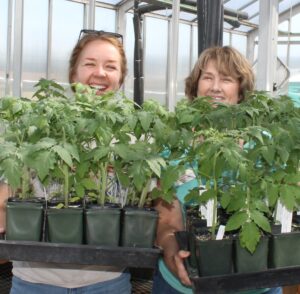
WSU Extension Chelan/Douglas County Master Gardeners donated high‑quality vegetable plants to community organizations, directly strengthening local food access and supporting children, families, and underserved residents. Each year, after their community plant sale, volunteers contribute remaining plants to nonprofits so more people can grow fresh, healthy food at home or in shared garden spaces.
Over the past two years, Master Gardeners have donated more than 400 vegetable plants to partners including Vale Elementary School’s children’s garden in Cashmere, Upper Valley MEND, the East Wenatchee Community Garden, the Community Cupboard in Leavenworth, and Grace House Women’s Shelter in East Wenatchee. These donations expand access to nutritious food, support community gardening efforts, and empower local residents to grow their own produce—demonstrating the lasting public value of the Extension Master Gardener Program.
Throughout this site there are links to documents of various file types. Please contact our Statewide Program Leader if you require this information in a different format.