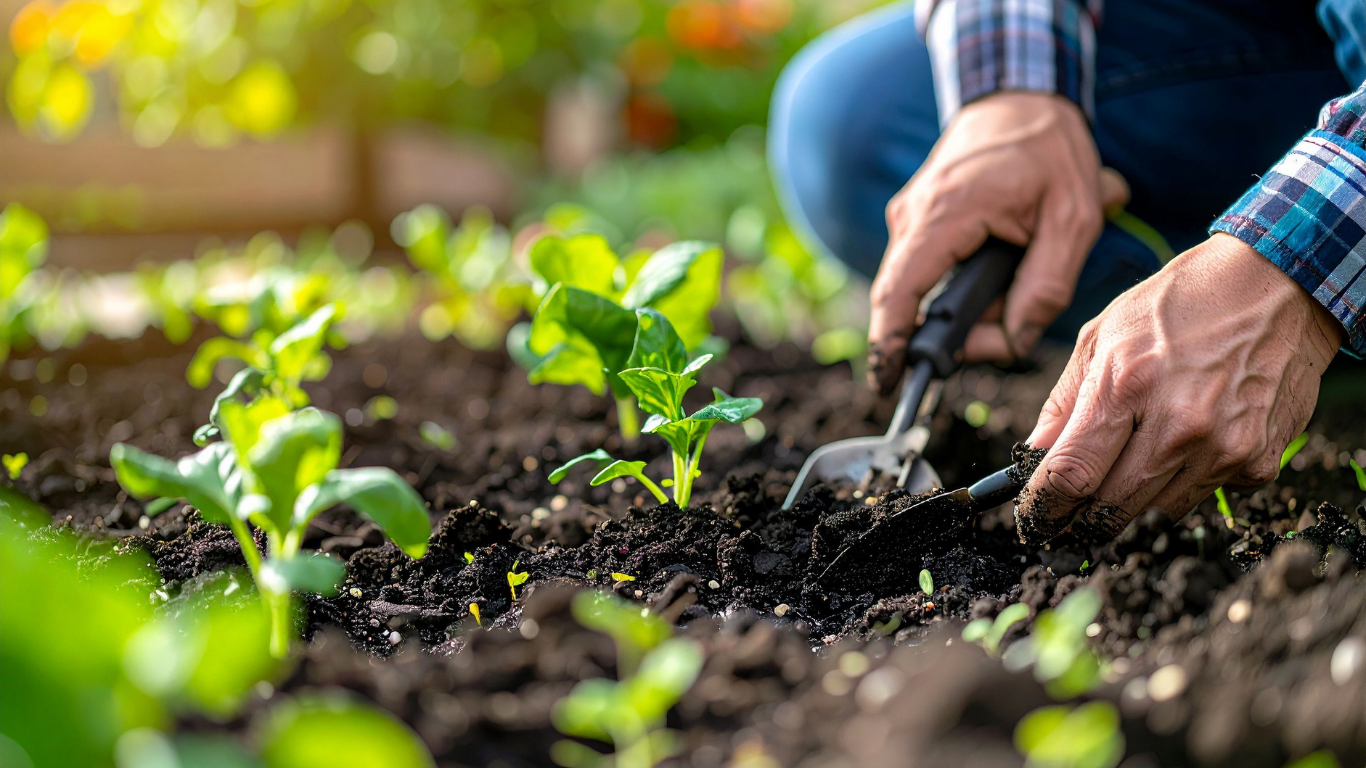
Growing Food to Strengthen Nutrition Security
Engaging university-trained volunteers to empower and sustain diverse communities with relevant, unbiased, research-based horticulture and environmental stewardship education. Read about Extension Master Gardeners in the news around Washington state.
By the numbers (2025)
Food insecurity and food waste continue to challenge Washington communities, affecting health, straining local support systems, and contributing to climate‑warming methane emissions. WSU Extension Master Gardener volunteers help address these issues by teaching people how to grow fresh produce, reduce waste, and build healthier soils—skills that directly strengthen local nutrition security.
Volunteers provided 14,269 answers to food‑growing questions and taught 15,877 adults and youth at more than 1,911 educational events, offering practical, research‑based guidance that increases access to nutritious food, particularly in underserved communities. Their outreach extended through partnerships with SNAP‑Ed, 4‑H, Veterans Affairs, immigrant and low‑income communities, and correctional facilities to ensure food‑growing knowledge reaches those who benefit most.
Participants reported meaningful gains in their ability to grow food and support nutrition security, including stronger understanding of how to choose appropriate plant varieties, grow foods their families enjoy, and recognize how nutrient‑dense produce supports health. On average, 75% said their families now eat more fresh fruits and vegetables.
Hands‑On Learning in the School Garden
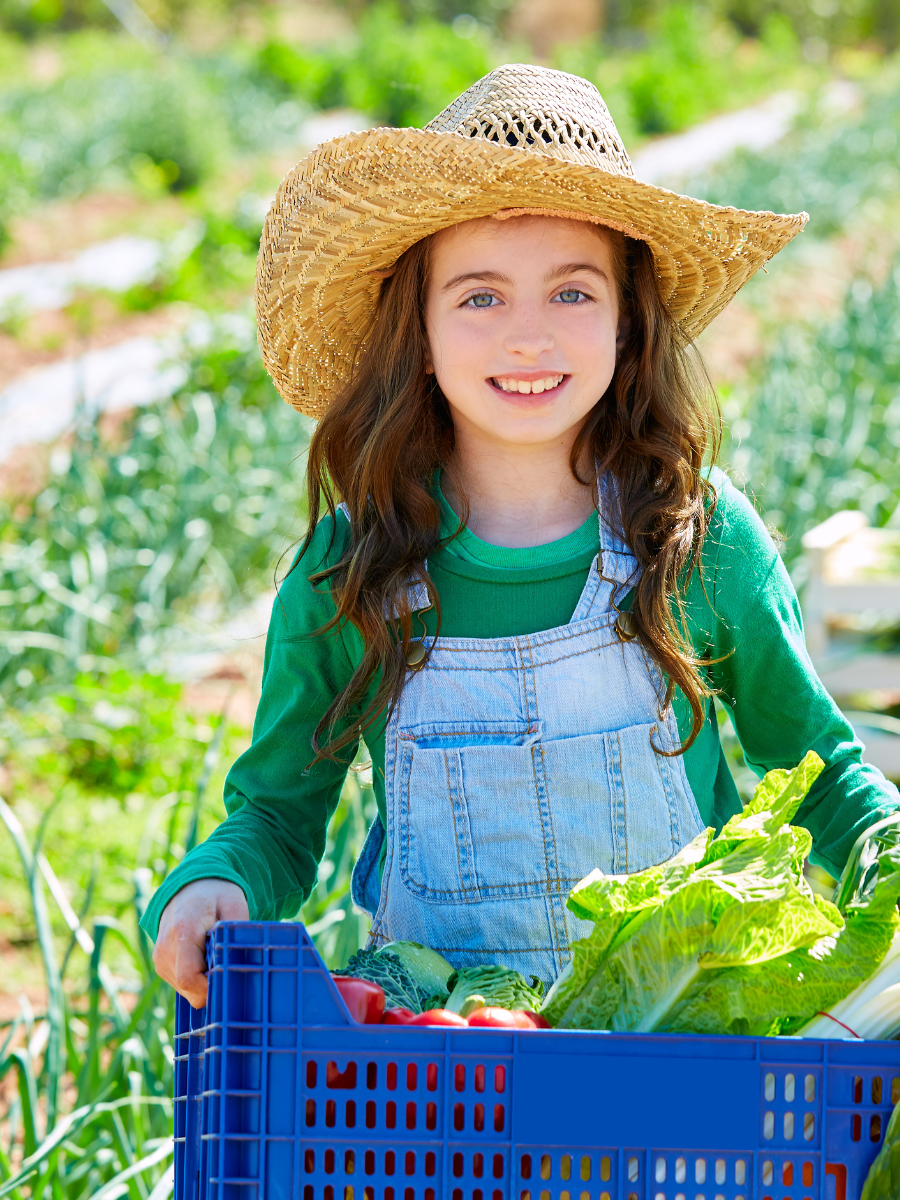
WSU Extension Asotin/Garfield County Master Gardener volunteers teach weekly, hands‑on lessons in sustainable gardening, nutrition, and science to fourth‑grade students in the Parkway Elementary School Garden Program. Now in its 16th year, the program gives students the chance to grow fruits and vegetables, explore plant and insect life cycles, practice composting, understand pollinators, and connect healthy soils to healthy foods. Each session blends classroom learning with outdoor garden work, giving students real‑world experience applying scientific concepts and the scientific method.
During the 2025 winter–spring season, two fourth‑grade classes—48 students—participated in nine sessions focused on nutrition, plant systems, seed starting, garden planning, and spring planting. Students grew vegetables and flowers from seed, planted garden beds, created take‑home containers, and sampled fresh foods related to their lessons. Despite some weather‑related challenges, students harvested a variety of greens, peas, herbs, and flowers.
Master Gardeners led and coordinated all sessions, incorporating worksheets, “Gardening Words of the Month,” and simple food tastings to reinforce learning. Students carried their knowledge home through postcards, harvested produce, and planting projects.
Research shows that school garden programs improve academic performance, encourage healthier eating, and support positive behavior. Parkway’s program reflects these outcomes: students enjoy eating the vegetables they grow, gain confidence in science, and build lifelong connections between gardening, nutrition, and healthy living.
By the numbers (2025)
Healthy soil is the foundation of successful food gardening, clean water, and resilient ecosystems—but in Washington, soil health is increasingly threatened by erosion, compaction, nutrient imbalances, pests, and acidification. When soils degrade, gardeners and communities face reduced productivity, poorer water quality, loss of biodiversity, and higher costs to restore damaged landscapes.
WSU Extension Master Gardener volunteers help residents protect and rebuild soil so they can grow healthier, more productive food gardens. Through 772 classes, workshops, demonstrations, and field days, volunteers taught 8,074 youth and adults research‑based practices that improve soil structure and fertility. They also answered 6,300 soil‑related questions in plant clinics and provided ongoing learning through podcasts, newsletters, and tip sheets. Demonstration gardens model composting, mulching, and other soil‑building techniques.
Participants report stronger understanding of soil properties, the value of soil testing, no‑till gardening, composting, and mulching—knowledge that helps them grow more nutritious food at home while supporting healthier landscapes and more sustainable local food systems.
Strengthening Soil, Reducing Waste, Empowering Learners
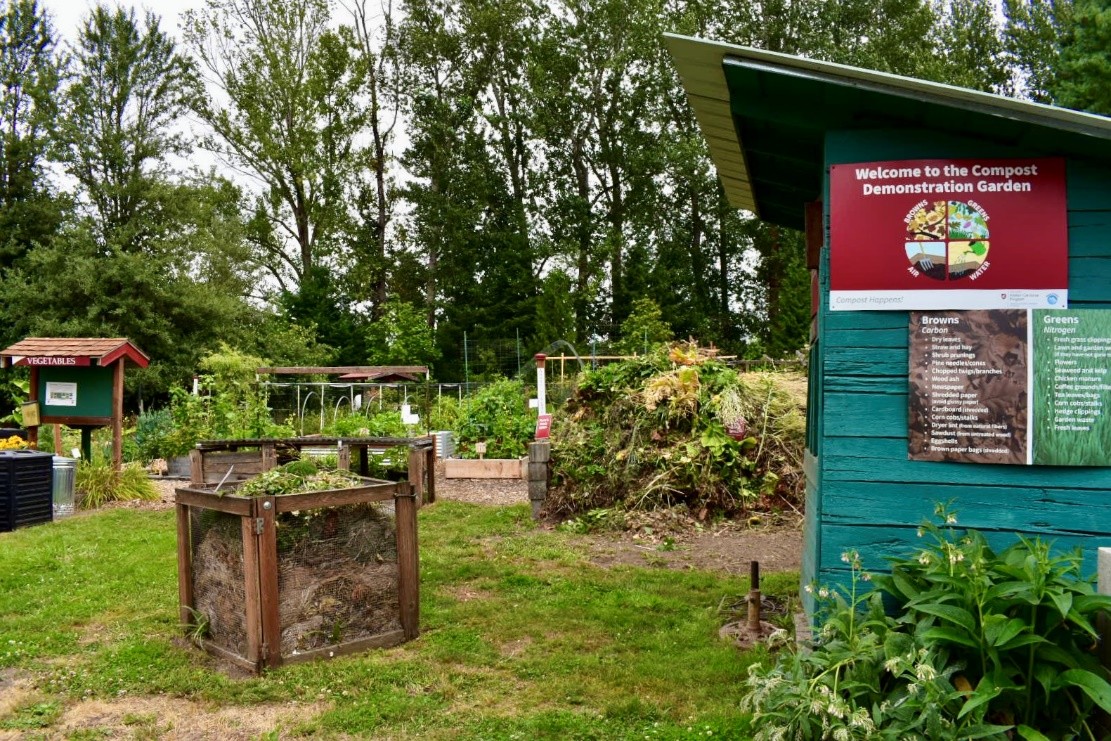
Pierce County Extension Master Gardener Volunteers partnered with the Office of Resilience and Climate Action (ORCA) to install 3‑bin composting systems at community sites such as L’Arche Tahoma Hope and Franklin Pierce Farm. Volunteers helped select accessible locations, provided instructional signage, and will return next year to support continued learning. They taught community groups how a 3‑bin system works, the roles of greens, browns, air, and water, and how to manage turning and temperature. These organizations plan to use the systems both for composting and as teaching tools for their participants.
Master Gardener Volunteers also collaborated with the Pierce College Biology Department, hosting three groups of students at the Puyallup Demonstration Garden. Students learned about urban food production, water‑wise gardening, and home composting. Many reported that understanding how a 3‑bin system works—and the benefits of diverting waste, improving water retention, and adding nutrients and organic matter to soil—gave them the confidence to begin composting at home.
By the numbers (2025)
Native bees—responsible for pollinating about 90% of wild plants—are experiencing steep population declines, with over half of native species in decline and nearly one in four at risk.
This threatens ecosystems and food security, since pollination supports roughly 80% of food‑producing plants and directly influences agricultural productivity. As pollinators disappear, the stability of our food system and essential ecological functions such as erosion control, water filtration, carbon storage, and oxygen production are put at risk.
WSU Extension Master Gardener volunteers are helping communities respond by teaching how to support native bees and other pollinators in home and community landscapes. Volunteers answered 5,351 pollinator‑related questions at plant clinics and delivered 694 educational events, teaching 10,225 youth and adults about pollinator diversity, habitat creation, pollinator‑safe practices, and the impacts of human activities on pollinator health.
In a six‑month follow‑up survey, 69% of participants reported taking steps to protect pollinators, demonstrating meaningful behavior change inspired by these educational efforts.
Protecting Pollinators, Protecting Our Food System
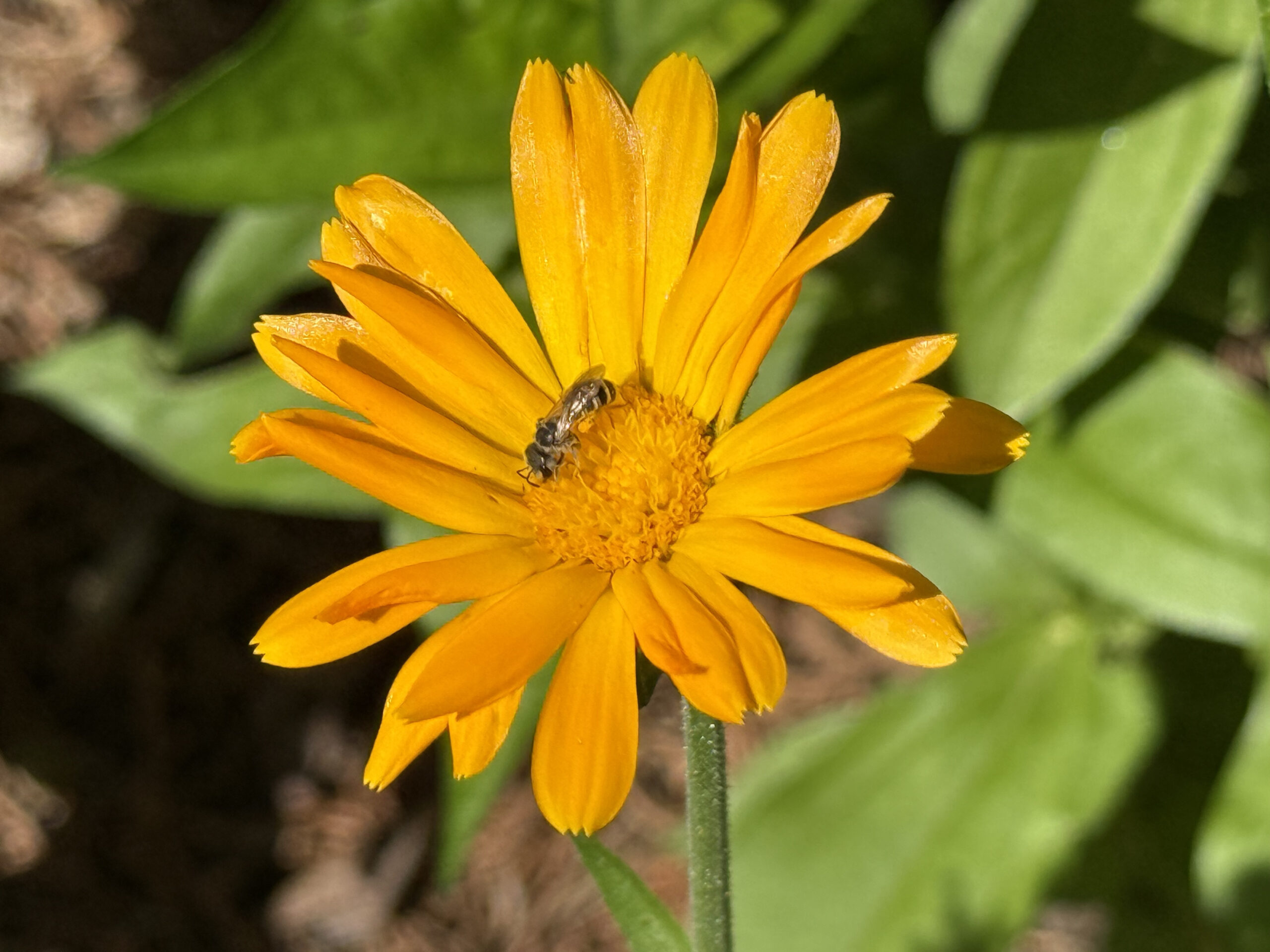
To increase public understanding and stewardship, Skagit County WSU Extension Master Gardeners hosted a Know & Grow presentation, Native Bees: Our Friends and Partners. Dr. Bob Gillespie provided research‑based instruction on Washington’s 600+ native bee species, their ecological roles, and the habitat conditions they require. Participants also examined preserved native bee specimens, strengthening their ability to recognize bee diversity and understand identification features.
The presentation increased participants’ knowledge of pollinator biology, diversity, and habitat needs, as well as the ways human activities influence pollinator health. Evaluation results showed significant gains across all learning objectives, with attendees reporting greater confidence in understanding pollinator ecology and in taking actions to support and protect pollinators in their own landscapes. These outcomes demonstrate meaningful short‑term knowledge gain aligned with the Pollinator Health program priority.
Throughout this site there are links to documents of various file types. Please contact our Statewide Program Leader if you require this information in a different format.