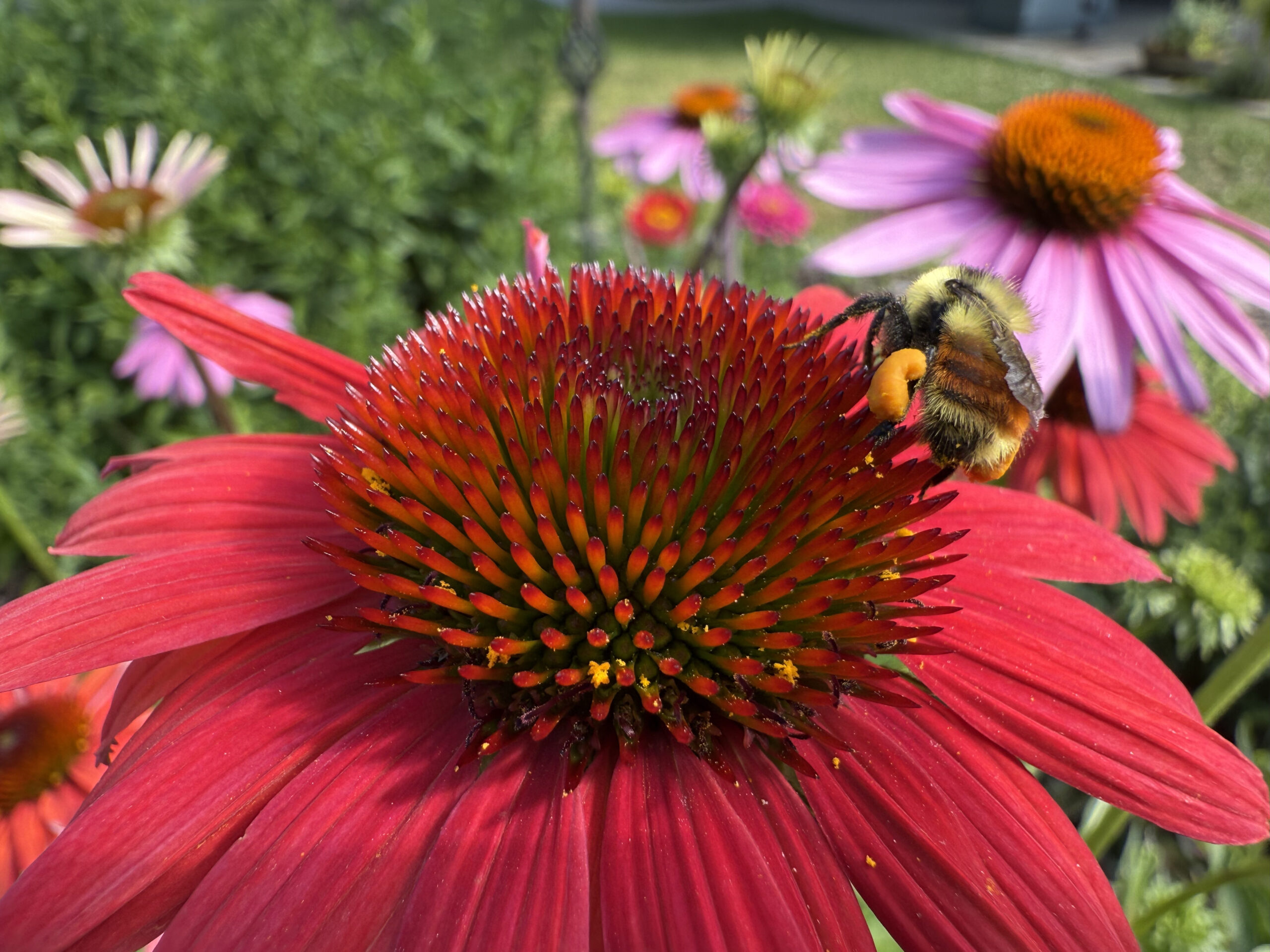
Simple Steps to Support Pollinators at Home
Engaging university-trained volunteers to empower and sustain diverse communities with relevant, unbiased, research-based horticulture and environmental stewardship education. Read about Extension Master Gardeners in the news around Washington state.
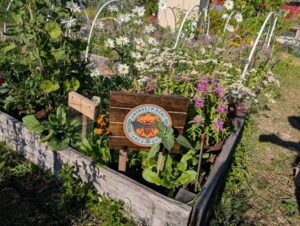
Building a Community‑Powered Pollinator Garden
WSU Extension Pierce County Master Gardener volunteers mentored the Eatonville Mountain Community Garden in creating a dedicated pollinator habitat, strengthening local pollinator health and community food resilience. Volunteers assessed and repaired garden beds, researched climate‑ and site‑appropriate plants, and worked alongside community gardeners to install the new habitat.
To deepen learning, Master Gardeners delivered an educational presentation on plant life cycles, demonstrated seed‑saving techniques, and provided seeds for participants to begin their own gardens. They also created a living reference document and display detailing each plant’s bloom season, native status, and the beneficial insects it supports.
Community members learned which plants provide essential forage for native pollinators throughout the year, how pollinator habitat enhances fruit and vegetable production in the PNW, and how to maintain the beds for long‑term success. Through hands‑on mentoring and accessible education, Master Gardeners helped the Eatonville community build a thriving pollinator space that supports both ecological health and productive food gardens.
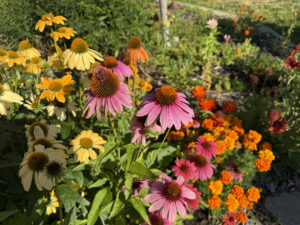
Planting for the Good Guys
WSU Extension Cowlitz County Master Gardeners presented Attracting Beneficial Insects to Your Garden to 42 adults, helping residents strengthen both their gardens and the local ecosystem. The session taught participants to recognize the many kinds of beneficial insects—pollinators, predators, and parasitoids—and understand how to support them right in their own yards.
Participants learned why pollinators are essential for food production and healthy ecosystems, how habitat loss and pesticide use contribute to insect decline, and why a wide variety of insects improves both pollination and natural pest control. Master Gardeners shared practical, low‑cost strategies such as planting flowers that bloom from spring through fall, creating nesting and overwintering habitat with mulch and ground cover, grouping plants for easier foraging, and using Integrated Pest Management (IPM) to reduce pesticide impacts.
Attendees were enthusiastic about the simple steps they could take to make a difference. Many were surprised to learn that roughly one‑third of the food we eat depends on pollinators and that diverse insect communities make gardens and ecosystems more resilient. Participants reported new understanding of insect roles, the importance of season‑long bloom, and how everyday gardening choices affect insect survival.
Many also left with concrete plans to improve their own yards—adding more flowering plants, reducing lawn areas, planting in larger groupings, leaving some spaces less “tidy” for overwintering insects, and choosing IPM approaches instead of broad‑spectrum sprays. Several shared that it felt empowering to know they could support pollinators through small, gradual changes rather than major landscape overhauls.
Through accessible education and practical guidance, Master Gardeners helped residents see that supporting beneficial insects is both achievable and essential for healthy gardens and a thriving local environment.
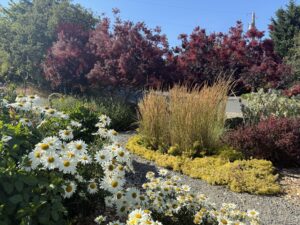
Building Pollinator Awareness
WSU Extension Jefferson County Master Gardeners taught pollinator education through a coordinated mix of public lectures, written outreach, hands‑on workshops, and media engagement, strengthening community understanding of native bees and the horticultural practices that support them. Volunteers shared research‑based information through Food Bank Growers’ newsletters, the Growing Groceries program, and the Jefferson County Library’s Garden Know How series, while a feature article in the Port Townsend Leader further expanded the reach of their work.
Across these efforts, participants learned how pollinators and other beneficial insects support vegetable production, which species are commonly found in home gardens, and how habitat loss and pesticide exposure contribute to insect decline. Over 90% of class attendees reported they would add pollinator‑friendly flowers or habitat to their vegetable gardens, and all participants indicated they gained significant new knowledge. These outcomes reflect both the relevance of pollinator education and the effectiveness of Extension Master Gardener instruction in helping residents create healthier, more resilient garden ecosystems.
From Cocoons to Conservation
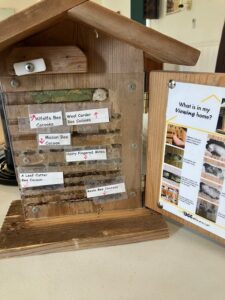
WSU Extension San Juan County Master Gardeners offered a series of mason and leafcutter bee workshops across Shaw and Orcas Islands in 2025, advancing pollinator health and nearby‑nature education. Spring sessions introduced community members to solitary bees, demonstrated how to choose and mount appropriate nesting materials, and guided participants in placing bee cocoons so they could safely hatch and begin pollinating local gardens.
In October and November, Master Gardeners led hands‑on workshops for 10 participants on Shaw Island and 56 on Orcas Island. Attendees learned how to remove cocoons from nesting tubes, clean them, identify and remove parasites such as mites and wasps, and prepare the cocoons for winter storage until the following spring.
Participants left with practical skills and a deeper understanding of how solitary bees contribute to healthy ecosystems and productive gardens. By teaching residents how to care for these gentle, highly effective pollinators, Master Gardeners helped strengthen local biodiversity and empower island communities to support pollinator populations year after year.
Throughout this site there are links to documents of various file types. Please contact our Statewide Program Leader if you require this information in a different format.