Real People, Real Community Change
Engaging university-trained volunteers to empower and sustain diverse communities with relevant, unbiased, research-based horticulture and environmental stewardship education. Read about Extension Master Gardeners in the news around Washington state.
By the numbers (2025)
Clean water is essential for healthy communities, thriving ecosystems, and strong local economies. The WSU Extension Master Gardener Program protects this vital resource by teaching how everyday gardening decisions affect water quality. Volunteers addressed 5,116 public inquiries on least‑toxic pest control and organized 1,060 educational events focused on integrated pest management and responsible chemical use. Through these efforts, 3,725 adults and 1,795 youth learned how to prevent pollutants from entering waterways, reduce erosion and runoff, and make informed decisions about fertilizers and pesticides.
Surveyed participants reported increased understanding of clean water’s importance, the threats it faces, and their personal responsibility in protecting it—and 80% committed to reducing the use of chemicals and sustainable gardening practices. Together, these actions help safeguard clean water for current and future generations.
Empowering Residents to Keep Spokane’s Water Clean
WSU Extension Spokane Master Gardener volunteers helped residents protect the Spokane–Rathdrum Aquifer—the sole drinking water source for more than 500,000 people—by teaching practical, research‑based strategies to reduce chemical inputs in home landscapes.
Through sustainable landscaping classes, plant clinic consultations, and locally written fact sheets, more than 2,200 community members learned how to manage pests responsibly, improve soil health, and apply fertilizers correctly. Participants reported significant knowledge gains, including better understanding of how beneficial insects reduce pesticide needs, how to time and apply fertilizers to prevent leaching, and how to reduce pesticide use in home lawns. Many committed to changing their gardening practices: 30% planned to redesign their landscapes to reduce pesticide use, incorporate native plants, or shrink lawn areas, and another 30% intended to adopt integrated pest management strategies.
Follow‑up surveys with trainees showed lasting learning, with improved ability to diagnose plant problems and distinguish environmental damage from true pest issues. Through education, diagnostics, and demonstration gardens, the WSU Extension Spokane Master Gardener Program equips residents with the knowledge and skills to reduce chemical inputs, protect the Spokane–Rathdrum Aquifer, and maintain clean, safe drinking water for the entire community—strengthening environmental stewardship, lowering future remediation costs, and supporting a healthier, more resilient Spokane County.
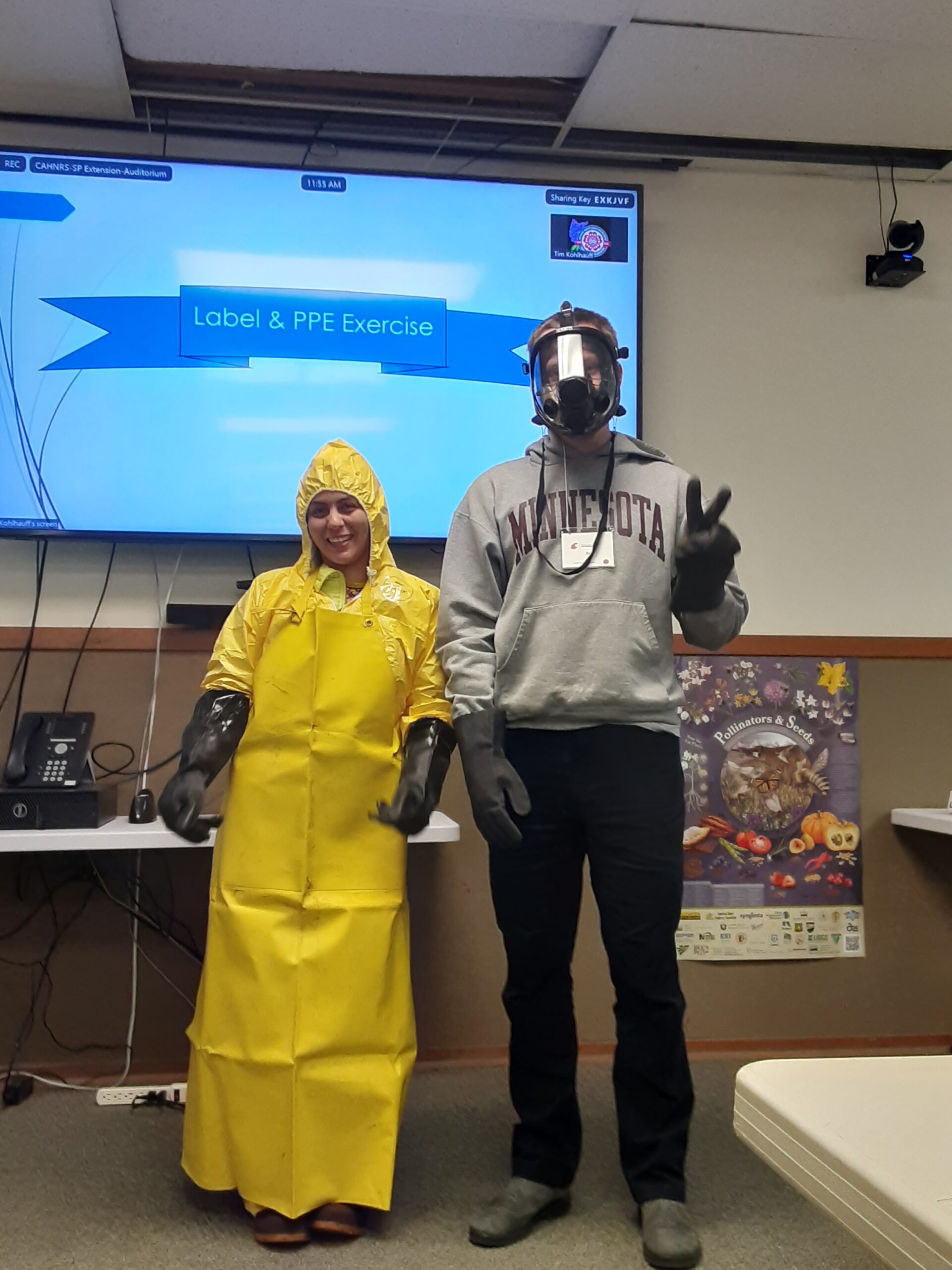
Master Gardener volunteers model the latest in personal protective equipment fashions during a class on reading pesticide labels.

By the numbers (2025)
Climate change is bringing hotter summers, warmer winters, and more extreme weather, making it harder for Washington residents to maintain healthy plants and resilient landscapes. The WSU Extension Master Gardener Program delivers essential public value by helping communities adapt with practical, science‑based guidance.
Volunteers provided 1,953 climate‑related answers, engaged 255 youth and 2,009 adults, and delivered 184 events focused on drought‑tolerant plants, water‑wise practices, soil health, and managing pests and diseases in a warming climate.
72% of surveyed participants committed to applying landscape design principles that help reduce their own impact on climate change. Together these efforts empower home gardeners to take informed climate action—strengthening community resilience, protecting natural resources, and supporting healthier ecosystems for future generations.
Fighting Climate Change, One Worm Bin at a Time
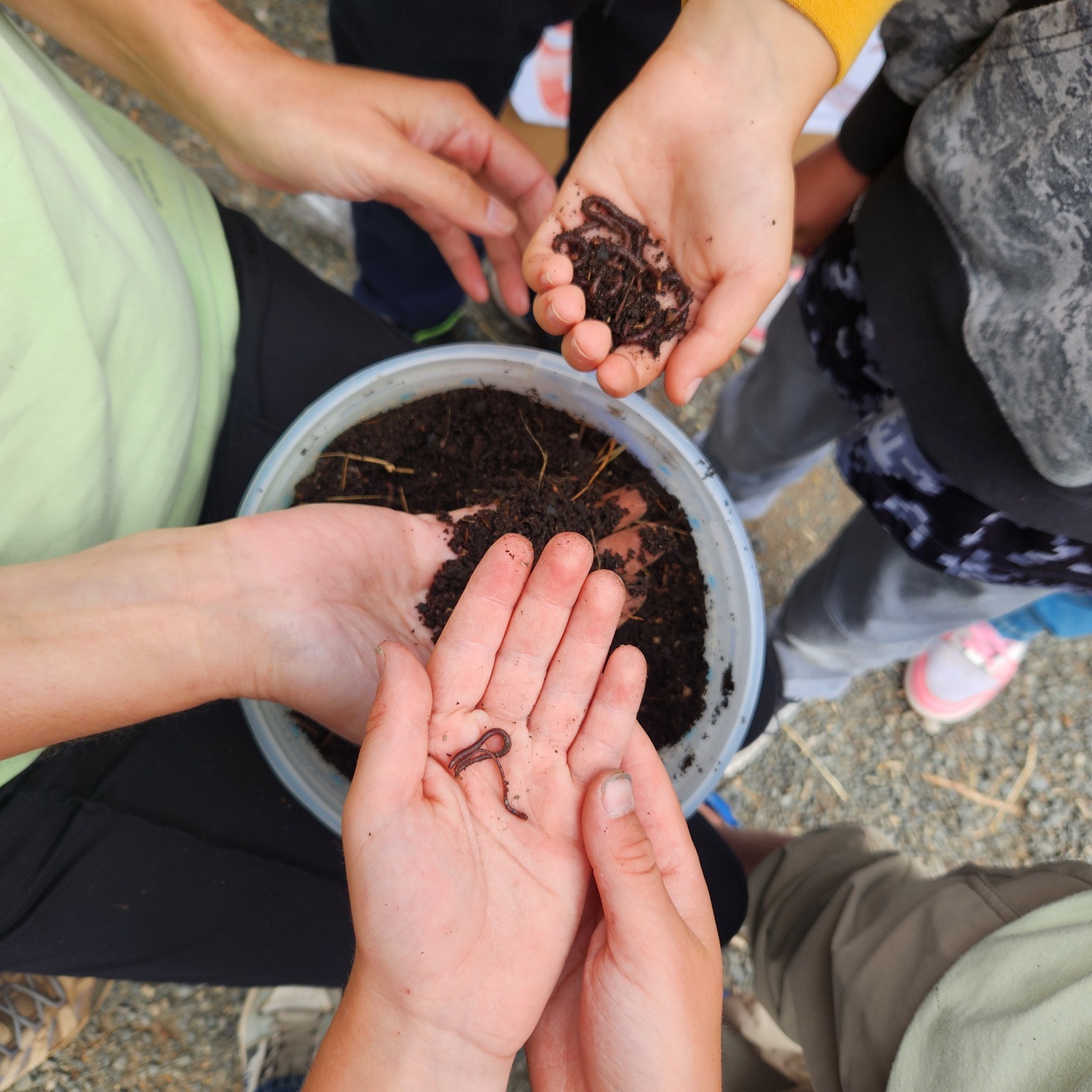
Food waste is a major contributor to climate change because discarded food in landfills produces methane, a greenhouse gas far more potent than carbon dioxide. By teaching residents how to turn food scraps into nutrient‑rich compost, San Juan County Master Gardeners are helping reduce the amount of organic waste that ends up in landfills—and therefore helping cut methane emissions.
Their interactive fair display, featuring multiple worm composting systems, educational materials, a microscope station, and a worm‑bin giveaway, showed attendees how vermicomposting works and how easy it is to do at home. By learning how to set up and maintain their own worm bins, residents gained practical tools to reduce food waste, improve soil health, and take direct climate‑positive action in their daily lives.
By the numbers (2025)
Extension Master Gardener volunteers play a vital role in helping communities conserve water—a resource essential to people, agriculture, and the environment. Through 1,388 total educational events (including classes, demonstrations, workshops, and field days), volunteers taught residents practical, science‑based strategies for reducing water use in home landscapes. They also educated 1,824 adults and 1,342 youth, answered 5,247 water‑conservation questions, and taught at 129 demonstration gardens that model waterwise practices.
These initiatives are driving real behavior change: 74% of surveyed participants committed to adapting their home landscapes to local conditions to conserve water. This commitment shows how Master Gardener education translates into meaningful community action, supporting long‑term water sustainability for people, agriculture, and the environment.
Water Conservation Starts at Home
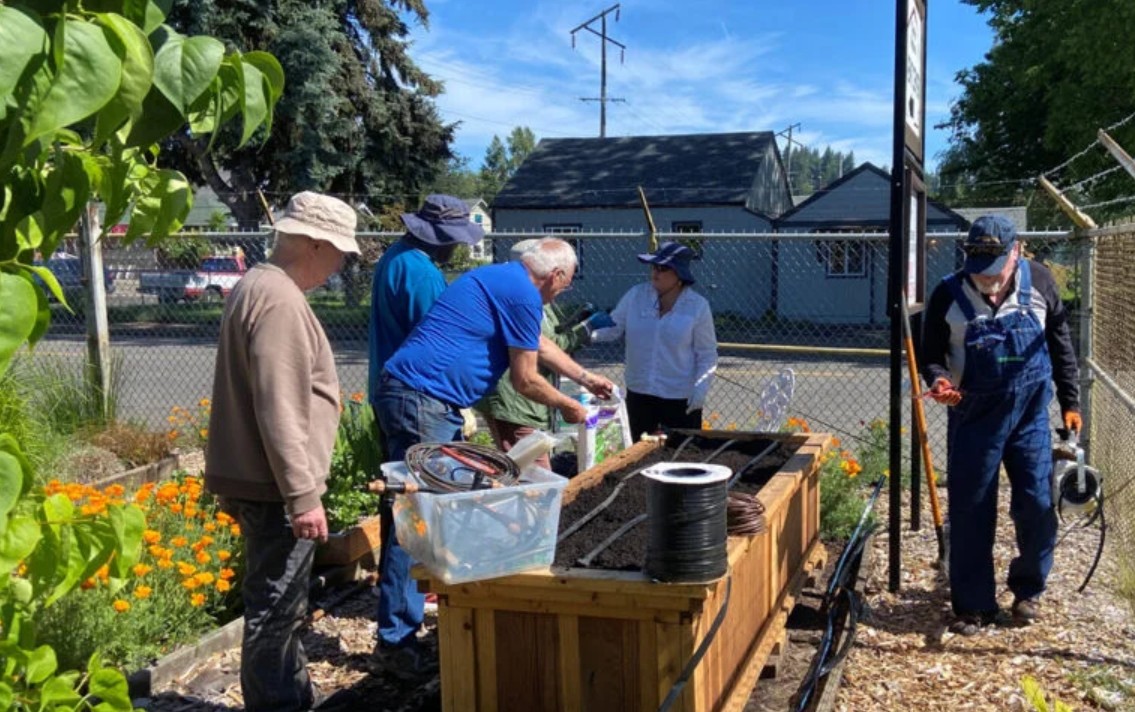
Water is a shared, limited resource, and the choices homeowners make in their landscapes have a direct impact on local water supplies, rivers, and ecosystems. To help residents use water more efficiently, Cowlitz County Extension Master Gardeners offered a two‑hour Waterwise Gardening presentation that gave community members practical, research‑based strategies they can apply immediately in their own yards.
Participants learned how everyday decisions—such as plant selection, soil health, lawn size, and watering habits—shape household water use, especially during the growing season when outdoor irrigation can triple demand. The program showed how simple actions like improving soil, choosing climate‑appropriate plants, mulching, and watering deeply and less often can significantly reduce pressure on local water systems while still supporting healthy, attractive landscapes.
By connecting gardening practices to watershed health, aquifer protection, and seasonal water availability, the presentation helped residents understand their role in safeguarding clean water for people, agriculture, and wildlife. Many participants left with clear, achievable steps they plan to implement, from adjusting sprinklers and adding mulch to replacing turf with drought‑tolerant plants.
This education strengthens community resilience by empowering individuals to conserve water, reduce pollution, and create landscapes that support long‑term environmental health.
Throughout this site there are links to documents of various file types. Please contact our Statewide Program Leader if you require this information in a different format.