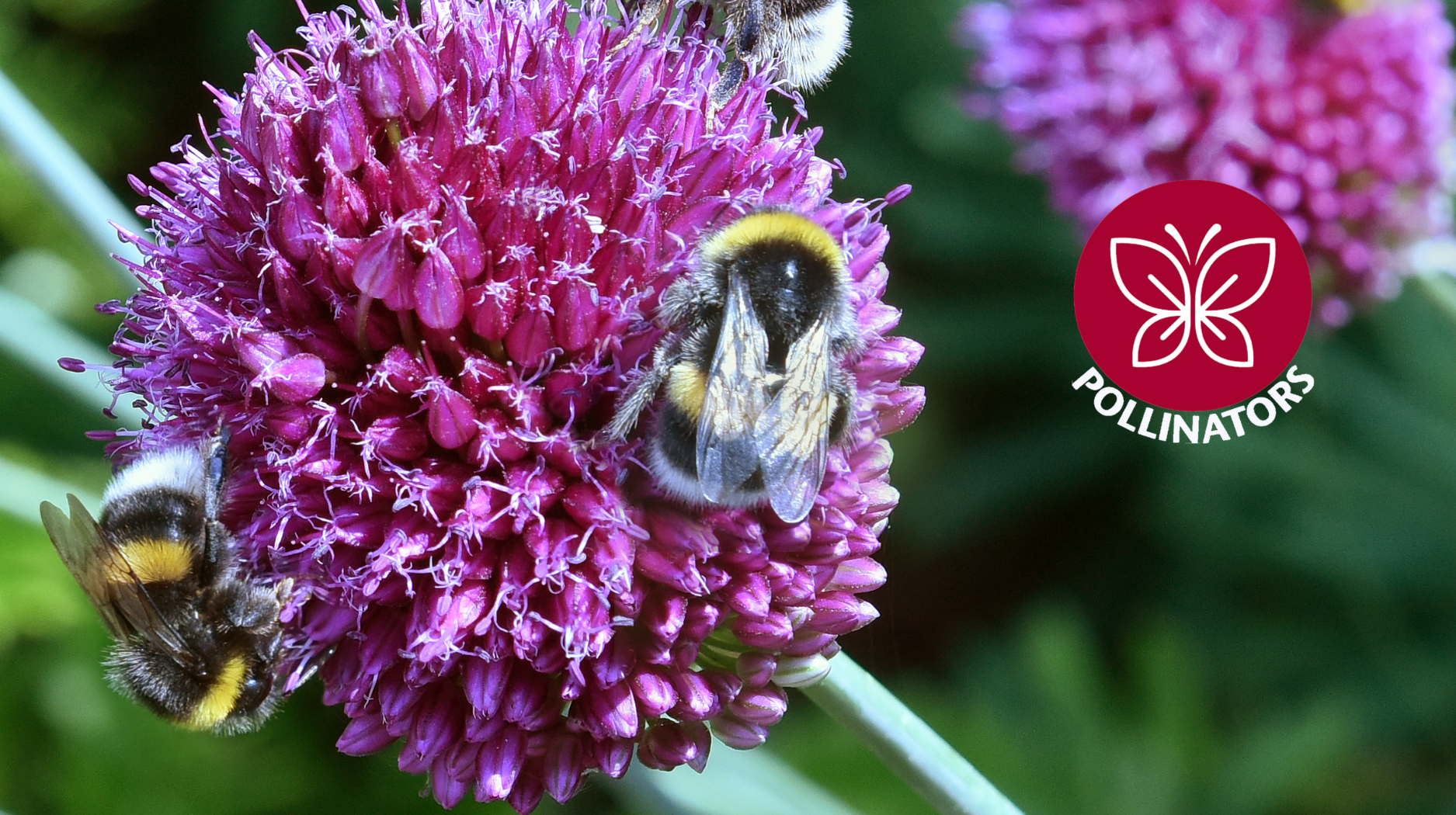
bumble bee on allium
Pollinators
The lifeline of our ecosystems
Support the Master Gardener Program

Throughout this site there are links to documents of various file types. Please contact our Statewide Program Leader if you require this information in a different format.

Pollinators: Nature’s wonders

Engaging university-trained volunteers to empower and sustain diverse communities with relevant, unbiased, research-based horticulture and environmental stewardship education. Read about Extension Master Gardeners in the news around Washington state.
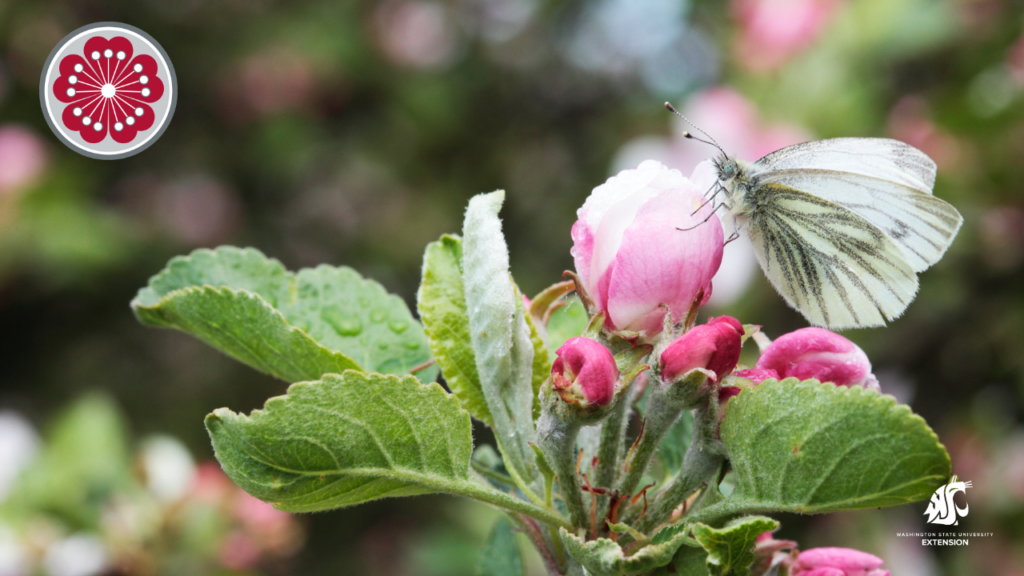
WSU Extension Master Gardener Programs statewide host educational classes, workshops, demonstrations, and field days. Through these events our university-trained volunteers bring relevant, unbiased, research-based horticulture and environmental stewardship education to their local communities.


Quick tips

  • Provide ample flowering plants that bloom during spring, summer, and fall to ensure maximum support to pollinator communities.
  • Provide shallow areas with clean water.
  • Leave areas with undisturbed soil for ground nesting pollinators.
  • Maintain a small pile of brush or woody material for bumble bees.
  • Allow dead trees or snags to remain in your space for cavity-nesting pollinators.
  • Turn your outdoor lights off or switch to yellow lights to help nocturnal pollinators.
  • Minimize the use of herbicides, fungicides, and insecticides.
  • If installing a “Bee Hotel”, make sure you are using the right nesting material.

Soil health banner

Impact of the WSU Extension Master Gardener Program

The WSU Extension Master Gardener Program’s educational initiatives significantly enhance understanding of how to protect pollinators.

Learn more about the public value of our impacts in our 2023 Annual Report.

""