*Draft* Peat-free Potting Soil Mixes
Alternatives for peat moss
Horticultural peat moss can be reduced and/or replaced by using a number of available materials that are both economically feasible and environmentally friendly: Biochar; Coconut Coir; Compost; Wood fibers/Sawdust. Reducing the use of peat in horticulture will mitigate climate change and increase reliance on local materials as peat substitutes.
For Seedlings
- 1 part compost
- 2 parts coconut coir
- 1 part builders’ sand
For Edibles
- 2 parts compost
- 2 parts coconut coir
- 1 part builders’ sand
For Ornamentals
- 1 part coconut coir
- 1 part compost
- 1 part top soil
- 1 part builders’ sand
The need to reduce Peat Moss use:
Peat moss is an organic substance formed from mosses, reeds, and sedges that accumulates and decomposes very slowly in waterlogged soils (bogs). It is harvested from bogs and fens around the world, but primarily in Canada and Russia. Peatlands hold 30% of the earth’s soil carbon and occur mostly in cold, temperate regions. Peat moss is used as a soil amendment because of its water holding capacity, and at the same time, it promotes water drainage.
Peat moss is a non-renewable resource whose replacement takes centuries. “Bogs represent 5% of the earth’s surface and yet they contain more carbon than all the planet’s forests combined, It’s a huge storage unit for carbon dioxide. As soon as we start tinkering with it, carbon is released.”1
The problem with using peat in horticulture is three-fold:
- Stripping off peat from peatlands
- Disturbs complex ecosystems; excavation releases enormous amounts of CO2, a major greenhouse gas driving climate change; and
- Demand for peat-based soilless media is growing.
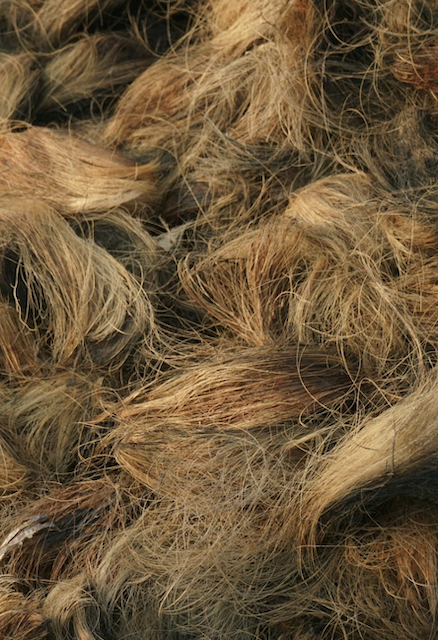
Coconut coir
Resources & frequently asked questions:
1 Quote is from Oregon State University website
- Maryland Grows Blog
- Ethical Consumer
- Linda Chalker-Scott, Ph.D., WSU Extension Urban Horticulturist The Myth of Permanent Peatlands
- Royal Horticultural Society: Peat Free Compost Choices

Throughout this site there are links to documents of various file types. Please contact our Statewide Program Leader if you require this information in a different format.